If you are deciding between a lakefront home and a subdivision home in West Bloomfield, you are really choosing between two different ways of living day to day. Both can be appealing, but they come with different routines, property conditions, and ownership responsibilities. When you understand those tradeoffs clearly, you can make a more confident move. Let’s dive in.
What makes West Bloomfield unique
West Bloomfield Township stands out because water is part of the community’s identity. The township master plan says the area includes 28 lakes and numerous smaller ponds used for boating, swimming, and fishing. It also notes that many lakefront homes started as seasonal cottages or cabins and were later expanded into year-round residences.
That history matters when you compare lake homes with subdivision homes. In many parts of Southeast Michigan, waterfront living is a niche option. In West Bloomfield, it is woven into the local housing market, which means buyers often have a real choice between shoreline property and more traditional neighborhood living.
Lake living in West Bloomfield
Lake homes are often more site-specific
A lakefront home is not just about the house itself. The township master plan says many lake parcels began on small lots and often have challenging soils or slopes. That means each property can have its own quirks that affect how you use the land and what improvements may be practical.
In a subdivision, lot conditions are often more predictable. With a lake property, the land, shoreline, drainage, and access can play a much bigger role in value and daily function. In simple terms, you are buying the site as much as you are buying the structure.
Water quality affects value
The township master plan says lakefront property values are closely tied to water quality. That makes sense for buyers because the appeal of the home is directly connected to the condition of the lake itself. If you are paying for a waterfront lifestyle, the water is part of the property experience.
This is one reason lakefront homes can require a more detailed review before you buy. You want to understand not only the home’s layout and condition, but also how the lot interacts with the lake and what that means for long-term enjoyment.
Shoreline upkeep is part of ownership
Lake living often comes with more maintenance than buyers expect at first glance. The township master plan says the natural shoreline buffer helps filter runoff and provides habitat, and newer homes are generally prohibited from clearing adjacent to lakes. Michigan EGLE also promotes vegetated buffer strips along waterways and regulates activities such as dredging, filling, and placing structures on bottomlands.
That means a lakefront property may offer beautiful views and direct access, but it may also require more care and more restraint. You may have less flexibility to alter the shoreline than you would with a standard backyard in a subdivision.
Utility and inspection issues can be different
Another point that deserves attention is utility infrastructure. The township master plan says any existing septic system must be inspected at the time of sale, and a failed system must be connected to sanitary sewer or repaired. For a buyer, that adds an extra due diligence step that may not apply in the same way to a more conventional subdivision property.
This does not make lake homes a poor choice. It simply means the inspection process can be more layered. A careful review of the property’s systems, site conditions, and township requirements becomes especially important.
Insurance deserves a closer look
Insurance is another area where waterfront ownership can differ from subdivision living. Michigan DIFS says flood damage is not covered under a standard homeowners policy and advises buyers to discuss flood insurance and water or sewer backup endorsements with their insurance agent.
If you are considering a lakefront home, this is a practical question to raise early. It can affect both your monthly costs and your comfort level with the property over time.
Subdivision living in West Bloomfield
Daily logistics are often more predictable
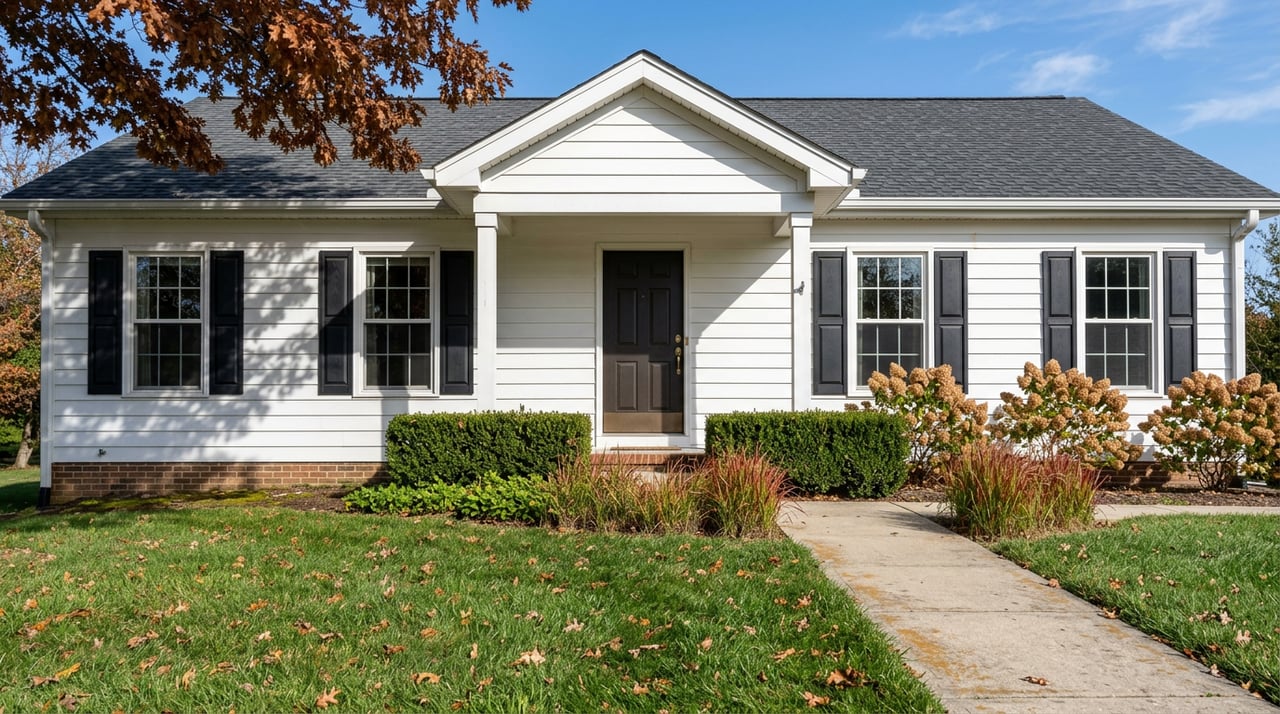
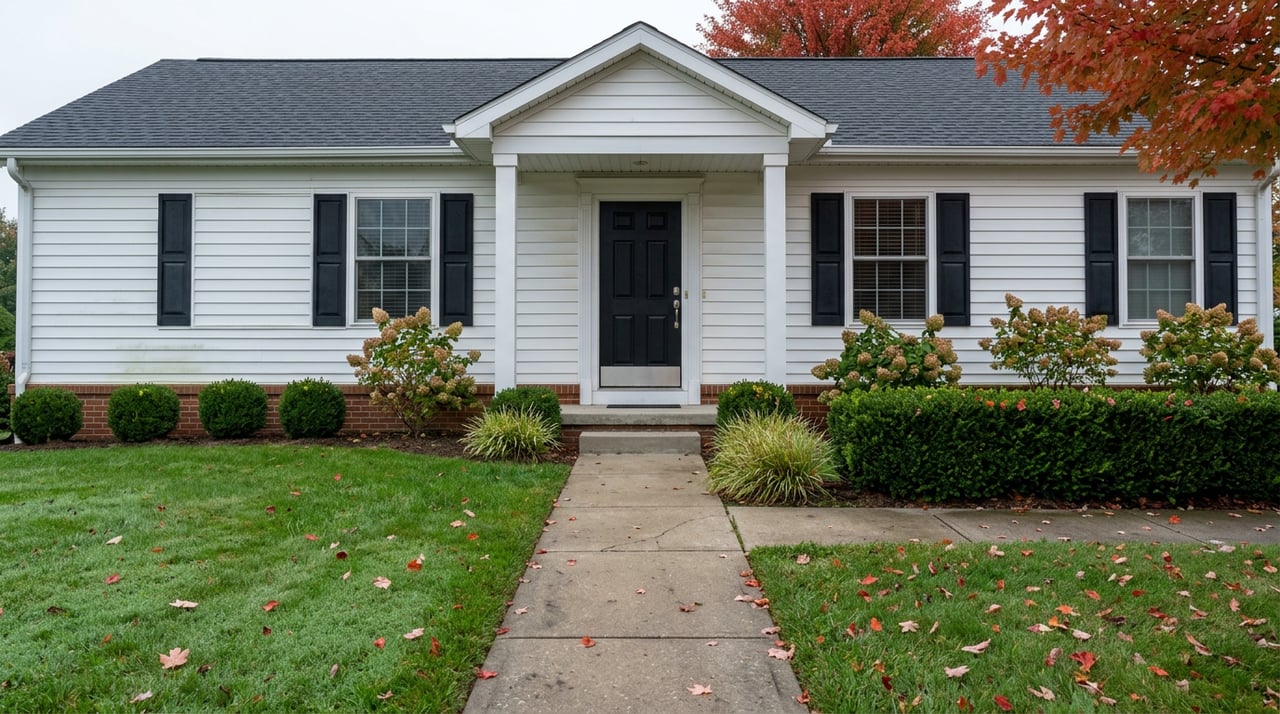
For many buyers, subdivision living offers simplicity. You may still have neighborhood rules or deed restrictions, but the lot itself is usually less tied to shoreline conditions, water-related maintenance, or specialized storage questions. That can make ownership feel more straightforward.
This matters if you value predictability in day-to-day life. Parking, landscaping, drainage, and utility setup may still require attention, but they often involve fewer waterfront-specific variables.
You can still enjoy outdoor recreation
Choosing a subdivision home in West Bloomfield does not mean giving up access to nature or lake-oriented recreation. West Bloomfield Parks says it oversees 12 parks and facilities and nearly 600 acres of public parkland, including spaces with walking trails, canoe and kayak launches, fishing, and bike-trail amenities.
The Michigan DNR also says Dodge #4 State Park on Cass Lake offers a sandy beach, a mile of shoreline, boating access, a fishing pier, swimming, and paddling amenities. So if you want proximity to the lifestyle without owning the shoreline itself, a subdivision home may still give you plenty of ways to enjoy the area.
Commute and routine may matter more than you think
Lifestyle is not only about the property. It is also about how the home fits your workweek and routines. Census QuickFacts reports a mean travel time to work of 27.8 minutes in West Bloomfield Township.
That local data point is a useful reminder that convenience still matters. If you are comparing a lake lot with more storage rules and maintenance demands against a subdivision lot with simpler logistics, your weekly routine may become a deciding factor.
Rules and restrictions to review before you choose
Lake properties can have more rule layers
West Bloomfield buyers should pay close attention to property rules before making an offer. The township master plan says many lakes have organized lake boards and or associations. That means a waterfront home may come with another level of oversight beyond standard township requirements.
For buyers, the key issue is fit. The home may look ideal online, but the practical question is whether the property works for how you actually live, store equipment, host guests, and use the waterfront.
Subdivisions may also have covenants
Subdivision living is not rule-free. The research report notes local examples where subdivision associations handle maintenance and improvement of neighborhood parks and oversee building and use restrictions. Another example says residents must comply with covenants, conditions, and restrictions registered with Oakland County.
So while subdivision homes often feel more predictable, they can still come with meaningful guidelines. You will want to review those documents carefully, especially if you have plans for exterior changes, parking needs, or recreational equipment.
Boat storage rules are a real deciding factor
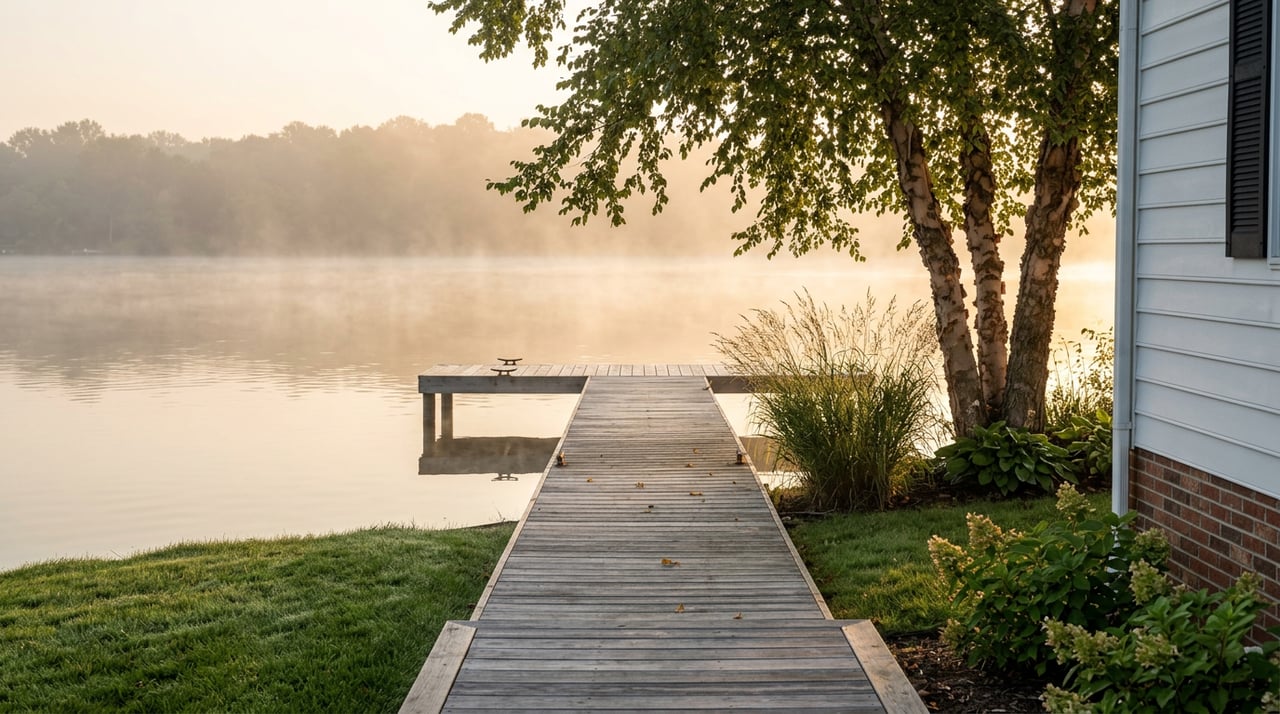
One of the clearest examples of West Bloomfield’s waterfront rules is the township’s boat-storage ordinance. For lots that abut a navigable watercourse, the ordinance allows up to two boats or watercraft with trailers to be stored off-season under setback rules, prohibits street storage, and allows one licensed, operable boat to be parked in an established driveway from April 1 to October 31.
The ordinance also says seasonal docks, lifts, hoists, and swim platforms may be stored in the front lake yard only. It adds that subdivision-wide storage exceptions depend on approved access and the recorded restrictions of the subdivision.
This is where lifestyle and legal fit come together. If lake living is part of your dream, make sure the property can realistically support your boats, trailers, lifts, and seasonal storage needs within the rules.
How to decide which lifestyle fits you
Lake living may suit you if
- You want direct water access as part of everyday life
- You are comfortable with added property review and due diligence
- You understand that shoreline maintenance and storage rules come with the package
- You value the site and lake setting as much as the home itself
Subdivision living may suit you if
- You want more predictable ownership logistics
- You prefer fewer waterfront-specific maintenance demands
- You still want access to parks, trails, paddling, or nearby public lake amenities
- You want a home that may be easier to evaluate on more standard lot conditions
Why local guidance matters in West Bloomfield
This is the kind of decision where details matter. In West Bloomfield, the difference between a great fit and a frustrating one can come down to shoreline buffers, septic inspections, storage rules, or recorded covenants that are easy to miss if you only focus on the listing photos.
That is why it helps to work with an advisor who can look beyond the surface and help you compare not just home styles, but ownership realities. When you understand the property, the rules, and the day-to-day tradeoffs, you can choose with clarity.
Whether you are drawn to waterfront living or the simplicity of a subdivision, Five Star Luxury Realty can help you evaluate West Bloomfield homes with a practical, contract-smart approach.
FAQs
What is the main difference between lake living and subdivision living in West Bloomfield?
- Lake living usually means more direct water access, more shoreline-related upkeep, and more rule layers, while subdivision living usually offers more predictable logistics and fewer waterfront-specific demands.
Do West Bloomfield lakefront homes require extra inspections?
- They can. The township master plan says any existing septic system must be inspected at the time of sale, and a failed system must be connected to sanitary sewer or repaired.
Can you enjoy lakes in West Bloomfield without owning a waterfront home?
- Yes. West Bloomfield Parks oversees parks with trails, fishing, and canoe or kayak access, and the Michigan DNR says Dodge #4 State Park on Cass Lake offers beach, boating, fishing, swimming, and paddling amenities.
Are there storage rules for boats at West Bloomfield lake properties?
- Yes. The township’s boat-storage ordinance regulates how many boats or watercraft may be stored, where they can be parked, and how docks, lifts, hoists, and swim platforms may be stored.
Is subdivision living in West Bloomfield free of association rules?
- No. Some subdivision associations oversee maintenance, improvements, and building or use restrictions, and some communities have recorded covenants, conditions, and restrictions.
What is the average commute time in West Bloomfield Township?
- Census QuickFacts reports a mean travel time to work of 27.8 minutes.