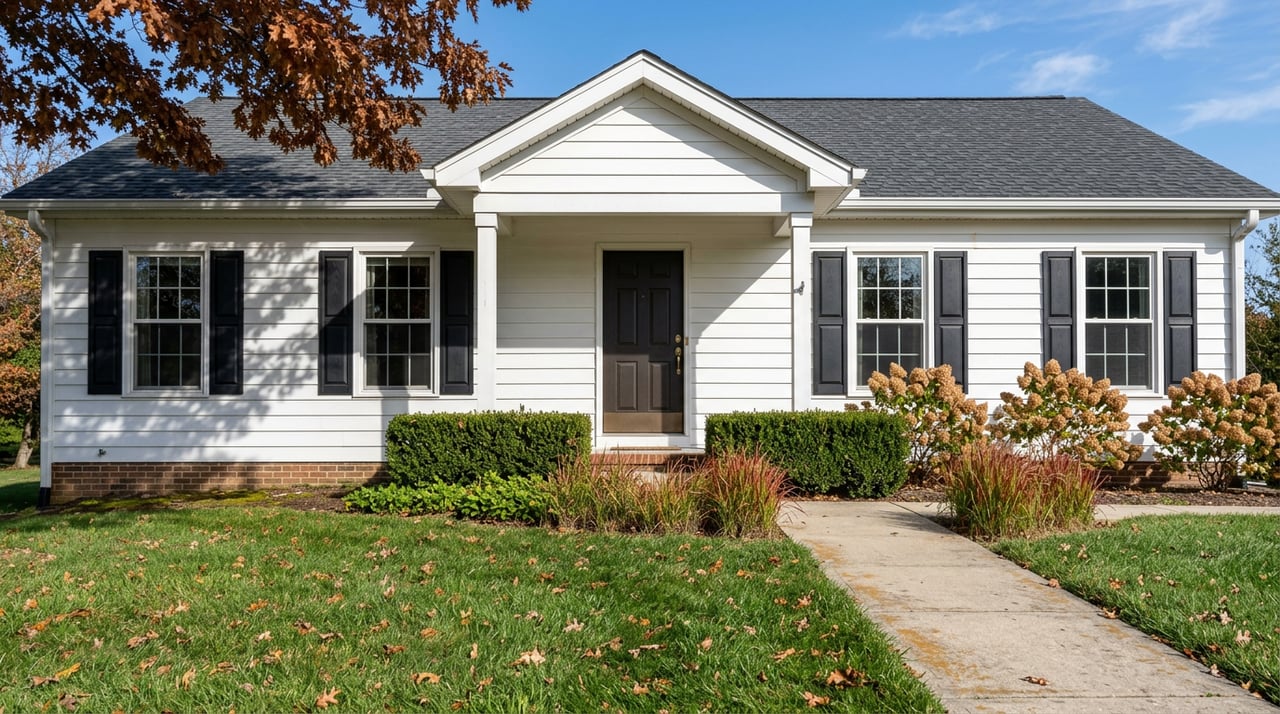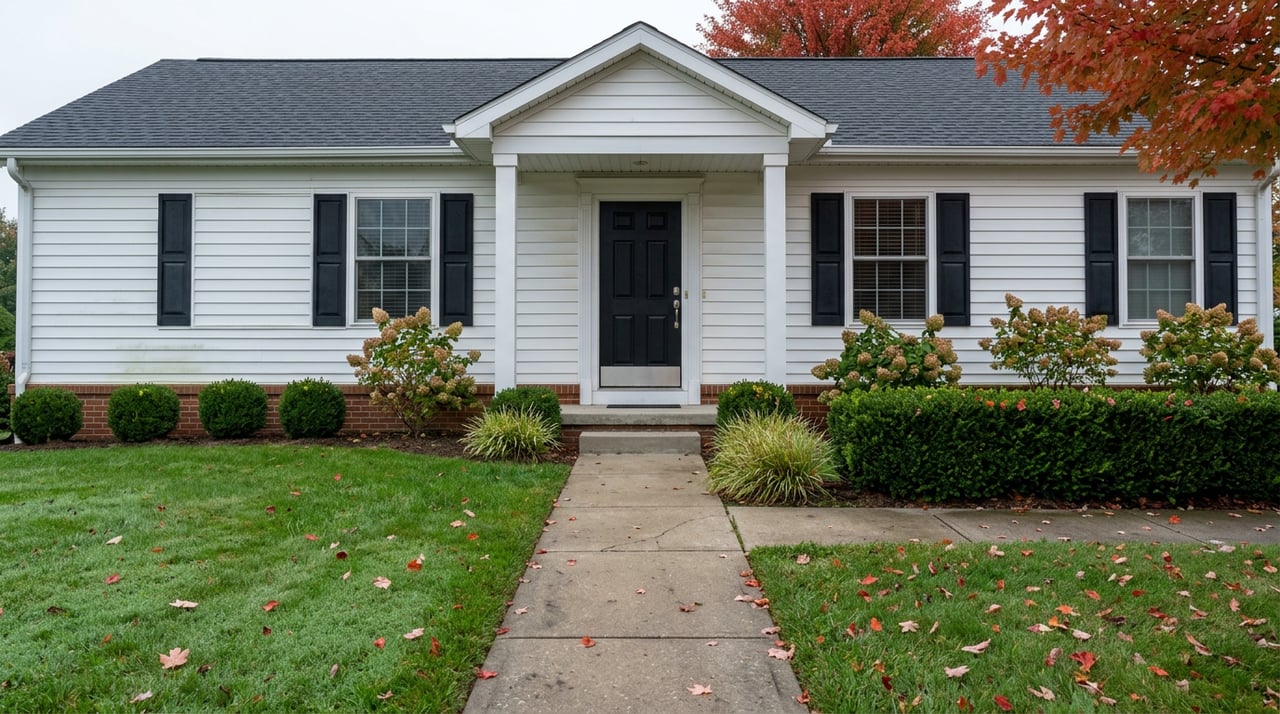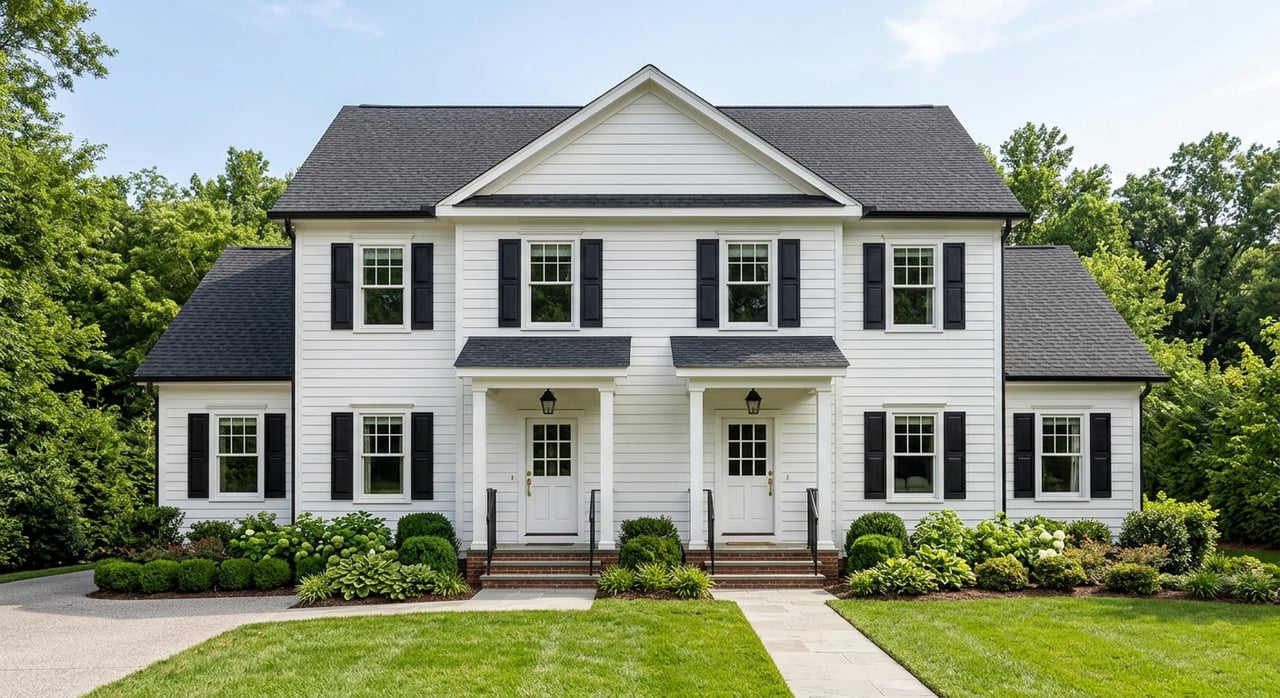
If you want to lower your housing costs in Detroit while building equity, house hacking can be a smart path. You may be looking for a first home, a value-priced investment-minded purchase, or a property that helps offset your monthly payment. In Detroit, the mix of lower price points and real two- to four-unit inventory creates practical opportunities if you plan carefully. Let’s dive in.
Why house hacking fits Detroit
House hacking usually means you live in one part of a property and rent out the other unit or units. In Detroit, that often points buyers toward duplexes, triplexes, and fourplexes rather than large apartment buildings.
Detroit’s housing stock supports that strategy. The city’s 2024 ACS profile shows a meaningful small multifamily supply, including 19,267 two-unit structures and 8,421 three- or four-unit structures. That matters because it gives you a real pool of properties that can work for owner-occupied rental income.
Detroit also stands out on affordability. Census QuickFacts reports a median owner-occupied value of $83,900 and a median gross rent of $1,074 for 2020 through 2024, while Zillow reported an average home value of $77,245 and average rent of $1,356 as of June 30, 2026. Since those rent figures come from different methods and time frames, it is best to view them as a range, not a single target number.
What house hacking looks like
In practical terms, most Detroit house hacks fall into a few common setups. The right one depends on your budget, financing, comfort level, and how much landlord responsibility you want to take on.
Duplex living strategy
A duplex is often the simplest starting point. You live in one unit and rent the other, which can help offset your mortgage, taxes, insurance, and upkeep.
Michigan tax treatment also makes this setup important to understand. If you live in one unit of a duplex, the principal residence exemption applies only to the portion you occupy as your principal residence, not the rented unit.
Triplex or fourplex option
A triplex or fourplex can create more rental income potential because you may have two or three rented units. That can improve the numbers on paper, but it also brings more moving parts, including repairs, unit turnover, insurance questions, and city compliance costs.
For some buyers, the extra complexity is worth it. For others, a duplex offers a better balance of affordability and day-to-day management.
Single-family with room rental
Detroit’s rental rules also matter if you plan to rent rooms within a single-family home. The city’s rental FAQ defines residential rental properties to include rooms rented within a single-family owner-occupied home.
That means a room-rental strategy can still involve city rules and compliance steps. If you are considering this route, you will want to confirm exactly how the property will be used before you buy.
Financing basics for Detroit house hacking
Owner-occupied financing is one of the biggest reasons house hacking can work. Instead of shopping only for investor financing, you may be able to use programs designed for one- to four-family primary residences.
FHA for one- to four-unit homes
HUD says FHA single-family programs are limited to one- to four-family owner-occupied principal residences. The CFPB says FHA loans can allow down payments as low as 3.5%.
For many first-time or budget-conscious buyers, that lower entry point is part of the appeal. If you are buying a duplex, triplex, or fourplex and plan to live there, FHA may be one option to compare.
Freddie Mac-style owner-occupied options
Freddie Mac says its primary-residence products for two- to four-unit homes are designed for owner-occupied purchases. Freddie Mac also says Home Possible can offer down payments as low as 3%.
Another key point is rental income. Freddie Mac says income from the other units can be included when calculating housing expense and debt-to-income ratios, which can strengthen your buying power depending on the file.
What lenders often focus on
In Detroit, buyers usually compare FHA and Freddie Mac-style owner-occupant options and then ask a more specific question: how much projected rent will the lender actually count? That answer is program-specific and lender-specific.
This is where clean numbers matter. Before you make an offer, you want a realistic estimate of monthly payment, expected rent, reserves, and repair needs so you are not stretching beyond what the property can support.
Detroit tax details you should know
Taxes are one of the most overlooked parts of house hacking. In Michigan, owner-occupied status can affect your property tax treatment, but it does not automatically apply to an entire multi-unit property just because you live there.
Principal Residence Exemption rules
Michigan’s principal residence exemption, often called PRE, exempts a principal residence from the local school operating millage. To qualify, the property must be owned and occupied as your principal residence, and the exemption must be claimed by affidavit.
For duplexes and other multi-unit properties, Michigan Treasury says the PRE applies only to the portion occupied as the owner’s principal residence. If you buy a duplex and live in one side, you can generally claim only that owner-occupied portion.
Budgeting the owner and rental portions
Michigan’s homestead property tax credit guidance also discusses owner-occupied duplexes and apartment buildings. For buyers, the main takeaway is simple: your tax planning may look different for the part you live in versus the part you rent.
That does not mean the deal will not work. It means you should budget carefully and confirm your expected tax treatment before closing.
Detroit rental compliance matters
House hacking is not just about buying the right property. It is also about making sure you can legally rent the unit or space the way you intend.
Certificate of Compliance basics
Detroit says a Certificate of Compliance is required for one- and two-family dwellings rented for compensation, except owner-occupied one-family dwellings and the owner-occupied portions of two-family dwellings. The city also states that the rental-registration certificate is free, the residential Certificate of Compliance is valid for three years, and rental owners must obtain a Lead Clearance Report to qualify.
That is important for duplex buyers. If one unit will be rented, you need to budget for compliance rather than treat it like an afterthought.
2024 process update
Detroit’s 2024 rental ordinance update simplified the process by combining rental registration and certificate of compliance into one application step. The city also says a new rental registration is required when the property is sold or transferred to a new owner.
If you are buying a property that already has tenants or was previously rented, do not assume the existing paperwork carries over. Confirm what will be required after closing.
How to evaluate a Detroit house hack
A house hack can look attractive at first glance because the purchase price seems manageable. The better approach is to underwrite it like both a home and a small income property.
Key numbers to review
Before you buy, review these items closely:
- Legal unit count
- Projected rent
- Vacancy allowance
- Repair and maintenance needs
- Insurance costs
- Property taxes
- Compliance and inspection costs
These items help you move beyond the listing price and into the real monthly picture. In Detroit, that extra review is especially important when a property has older systems, prior conversions, or deferred maintenance.
Questions to ask before closing
Before closing on a Detroit house-hack property, buyers should verify whether any prior unit conversion was permitted. You should also confirm PRE or homestead tax treatment with the assessor or a tax professional and budget for inspection and lead-clearance work if any part of the property will be rented.
Those steps can help you avoid a surprise after move-in. A property only works as a house hack if the legal use, financing, taxes, and compliance all line up.
Common Detroit house hacking mistakes
Some buyers focus too much on best-case rent and not enough on total ownership cost. Others assume a property’s current setup is automatically legal because it has been used that way in the past.
A few of the most common mistakes include:
- Using unrealistic rent estimates
- Skipping review of legal unit status
- Forgetting partial PRE treatment on multi-unit homes
- Underbudgeting repairs and lead-clearance work
- Assuming a prior owner’s rental paperwork transfers automatically
Avoiding these mistakes can protect both your monthly budget and your long-term plan. The goal is not just to buy a cheap property. The goal is to buy one that functions well as your home and supports your finances.
Is house hacking right for you?
House hacking can be a strong fit if you want to reduce your housing expense, build equity, and are comfortable sharing a property with tenants nearby. In Detroit, the local inventory mix gives you more ways to do that than in markets dominated by single-family homes alone.
It is not passive, though. You will need to think like an owner-occupant and a landlord from day one, especially when reviewing financing, tax treatment, property condition, and city compliance.
If you want help evaluating duplexes, small multifamily properties, or value-priced opportunities in Detroit, working with an advisor who understands both market details and transaction complexity can make the process much clearer. Connect with Five Star Luxury Realty for informed guidance as you explore your options.
FAQs
What is house hacking in Detroit real estate?
- House hacking in Detroit usually means buying a home with one to four units, living in one unit as your primary residence, and renting the other unit or units to help offset housing costs.
What types of Detroit properties work best for house hacking?
- Duplexes, triplexes, and fourplexes are often the most practical Detroit house-hacking options because the city has a meaningful supply of small multifamily housing.
Can you use FHA financing for a Detroit house hack?
- Yes, FHA programs can apply to one- to four-family owner-occupied principal residences, and FHA loans may allow down payments as low as 3.5%.
How does Michigan PRE apply to a Detroit duplex?
- In Michigan, the principal residence exemption generally applies only to the portion of a duplex or multi-unit property that you occupy as your principal residence.
Do Detroit house hackers need rental compliance paperwork?
- If part of the property will be rented, Detroit rules may require rental registration, a Certificate of Compliance, and a Lead Clearance Report depending on the property type and use.
What should you verify before buying a Detroit house hack?
- You should verify legal unit count, projected rent, taxes, insurance, repair needs, prior unit conversions, and any inspection or lead-clearance work needed before renting part of the property.