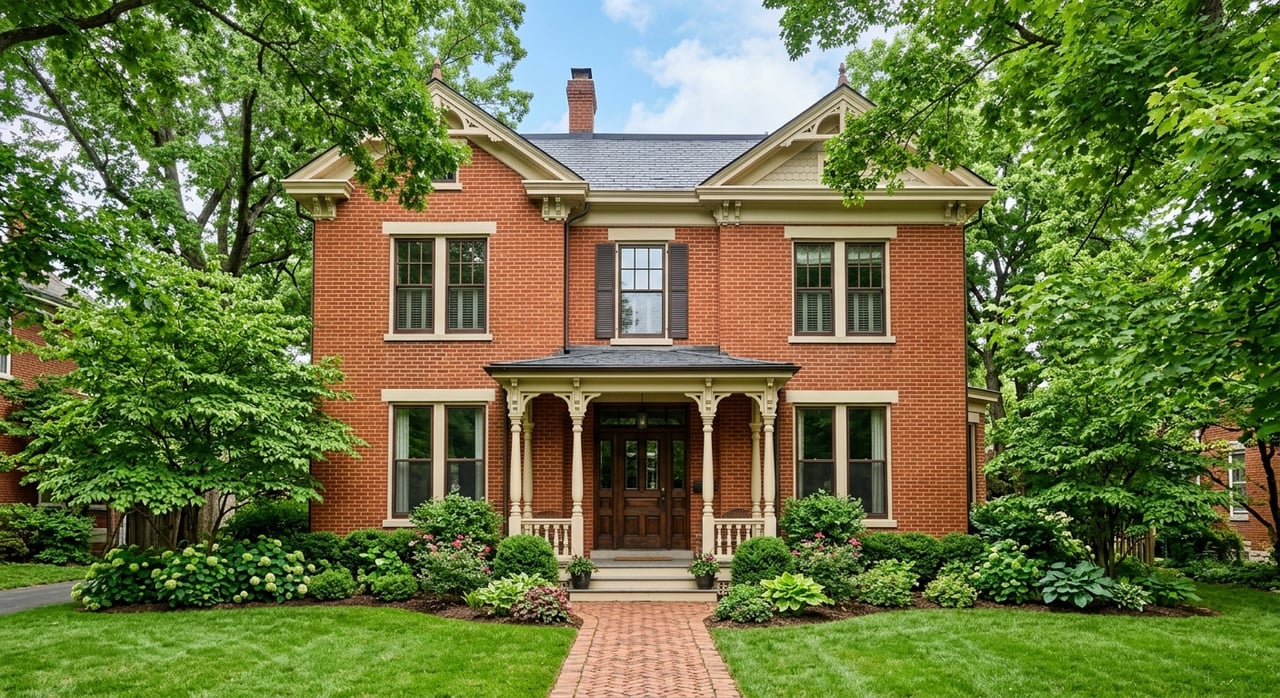
Buying a historic home in Northville can feel exciting and a little intimidating at the same time. You may love the idea of a front porch near downtown, mature trees, and architecture with real character, but you also want to know what comes with that charm. This guide will help you understand what to look for, what rules may apply, and how to plan your purchase with more confidence. Let’s dive in.
Why Northville Historic Homes Stand Out
Northville’s local historic district has been part of the city’s preservation story since the early 1970s. The city says the preservation ordinance was adopted in 1974 after a 1972 survey, and the district covers about 144 acres. City materials describe the area as downtown-adjacent, walkable, and known for tree-lined streets, porches, and a strong neighborhood identity.
That appeal is not just local. The National Register record for the Northville Historic District identifies it as a historic district in Wayne County and notes architectural styles such as Greek Revival, Queen Anne, and Gothic Revival. For many buyers, that mix of location and architecture is what makes these homes feel special.
What Buyers Love About Historic Northville
Many buyers are drawn to historic Northville because it offers more than an older house. City homeowner profiles point to proximity to Downtown Northville, a walkable setting, and the character of older streets and homes. In other words, you are often buying into a lifestyle as much as a property.
Northville’s educational materials also highlight features like porches, yards, and outbuildings as part of the experience. If you want a home that feels connected to its surroundings and has details that newer construction may not offer, this area can be a strong fit.
Architectural Styles You May See
Northville’s design guide notes that many local homes are not pure examples of one style. Instead, you will often see houses that blend features from different time periods. That makes it especially important to look closely at the details of each property.
Italianate Features
Italianate homes in Northville are often associated with tall, narrow windows, decorative window hoods, and wide eaves with brackets. Some may also include towers or cupolas. These details can create a dramatic look, but they can also affect repair and replacement costs.
Queen Anne and Gothic Revival Details
Queen Anne homes often have asymmetrical shapes, textured surfaces, wraparound porches, and decorative porch details. Northville survey materials also describe Gothic Revival cottages as important to the district. If you love ornate design and visual variety, these styles may stand out to you.
Colonial Revival Elements
Colonial Revival homes commonly feature centered entryways, paired windows, shutters, and hipped or side-gabled roofs. The city guide also notes porticos and brick or wood cladding. These homes may feel a bit more formal and symmetrical than some other historic styles.
Craftsman Character
Craftsman and Early Modern homes often include low-pitched roofs, exposed rafters or brackets, deep porches, built-ins, and stained wood trim. Northville’s homeowner series uses multiple Craftsman examples to show this hand-crafted feel. These homes often appeal to buyers who want warmth, simplicity, and original wood details.
Know the Historic District Rules
Before you make an offer, it is important to understand whether a property is inside Northville’s local historic district. The standards apply only within the district boundaries. If the home is in the district, exterior and architectural changes may be reviewed by the Historic District Commission.
Northville’s current historic-district rules are local rules under Michigan’s Local Historic Districts Act. The city says its design guidelines were updated and adopted on August 5, 2024, replacing the older 1999 version. The guidelines are intended to provide general policies rather than one-size-fits-all solutions, which means updates and modernization can still happen when historic character and materials are preserved.
What Work May Need Approval
In Northville’s historic district, review can apply to a wide range of exterior work. The city’s application materials show that this may include paint color changes, roof and shingle replacement, windows and doors, masonry work, porch work, additions, tree and shrub removal, fencing, awnings, signage, demolition, and moving structures.
For buyers, one of the biggest points to understand is timing. A certificate of appropriateness is required before exterior work begins in the local historic district, even if the property is not individually designated historic. The city says a complete permit application goes to the Building Department first, then the project is placed on the next available Historic District Commission agenda if needed.
Some minor work may now be approved administratively when exact-match materials and colors are used and the appearance does not change. Even so, projects that could alter the structure’s character may still go to the commission. That can affect both your renovation schedule and your budget.
Budget for Custom Repairs and Updates
Historic homes often ask for a different kind of planning than newer homes. Northville’s standards strongly favor retaining original window openings, sash, and profiles. Wholesale window replacement is generally discouraged unless original units are beyond repair, and replacements are expected to match original size, proportion, and profile.
The same approach applies to siding, porches, rooflines, and garages. The city says vinyl and aluminum replacement siding are not permitted by default, open porches should remain open where possible, and front-porch enclosures are not appropriate. Detached garages generally belong behind the house rather than in the front setback.
These details matter because historically sensitive work can be more expensive. Custom materials, specialized contractors, and review timelines can all raise costs compared with similar projects in a newer neighborhood.
Inspect the Home With Historic Ownership in Mind
A standard home inspection is important, but a historic home also calls for closer attention to age-specific issues. Northville’s homeowner materials describe original fieldstone walls, later foundation work, and additions that distinguish the old structure from the new. Basements, foundations, and additions deserve extra scrutiny during your due diligence.
Older homes may also need custom storm windows, HVAC upgrades, insulation work, and plaster or wall repairs. The city notes that thicker walls and cross-ventilation can help with comfort, but energy-efficiency improvements often require more custom work and a higher budget than in a newer house. That makes it smart to look beyond cosmetic appeal and ask practical questions early.
Questions to Ask Before You Offer
If you are serious about buying a historic home in Northville, a few questions can help you avoid surprises later. These are especially useful if you plan to renovate after closing.
- Is the property inside the local historic district boundary?
- Is the property classified as a contributing or non-contributing resource?
- What exterior changes will require review?
- Are there prior approvals on file for past work?
- Were earlier alterations made that may affect future plans?
- Are there inspection concerns related to foundations, additions, windows, porches, or rooflines?
- If energy updates are needed, what level of custom work may be required?
The city’s survey project says resources were evaluated using National Register criteria and classified by eligibility. That information can be useful as you think through long-term plans for the property.
Balance Charm With Practical Tradeoffs
Historic homes in Northville can offer downtown proximity, porches, mature trees, and strong architectural character. For many buyers, those benefits are worth the extra effort. Still, it is wise to go in with clear expectations.
The tradeoff is usually more design review, more custom materials, and a slower path to exterior changes than you would have in a nonhistoric subdivision. If you understand that from the start, you can make a better decision about whether this type of home fits your goals, budget, and timeline.
A Tax Credit Detail to Watch
If you are considering a rehabilitation project, one future program may be worth monitoring. Michigan’s state historic preservation tax credit program says owner-occupied residential applicants may apply beginning January 2, 2026, subject to annual availability and the program cap. If that timing could matter to your plans, it is one more item to track during your search.
Buying a historic home is not just about falling in love with old-house charm. It is about understanding the rules, costs, and responsibilities that come with preserving a piece of Northville’s built history. With the right guidance and careful due diligence, you can move forward with more clarity and confidence.
If you are considering a historic home in Northville and want contract-smart guidance through the search, due diligence, and negotiation process, connect with Five Star Luxury Realty.
FAQs
What makes Northville historic homes appealing to buyers?
- Buyers are often drawn to Northville historic homes for their proximity to Downtown Northville, walkable streets, porches, mature trees, and distinctive architectural character.
What architectural styles are common in Northville’s historic district?
- Northville’s historic district includes homes with Italianate, Queen Anne, Gothic Revival, Colonial Revival, and Craftsman features, and many homes blend details from more than one style.
What is the Northville Historic District Commission review process for exterior work?
- In Northville’s local historic district, many exterior changes require review, and a certificate of appropriateness is required before work begins on covered projects.
What exterior changes may need approval for a historic home in Northville?
- Depending on the project, review may be triggered by changes to paint colors, roofs, windows, doors, masonry, porches, additions, trees or shrubs, fencing, awnings, demolition, or moving a structure.
What should you inspect carefully before buying a historic home in Northville?
- You should pay close attention to foundations, basements, additions, windows, porches, rooflines, HVAC systems, insulation, and plaster or wall conditions.
What should buyers ask before making an offer on a Northville historic home?
- Buyers should confirm whether the property is inside the district, whether it is contributing or non-contributing, what changes need review, and whether prior approvals or past alterations may affect future plans.
Are there tax credit opportunities for rehabbing a historic home in Michigan?
- Michigan’s state historic preservation tax credit program says owner-occupied residential applicants may apply beginning January 2, 2026, subject to annual availability and the program cap.