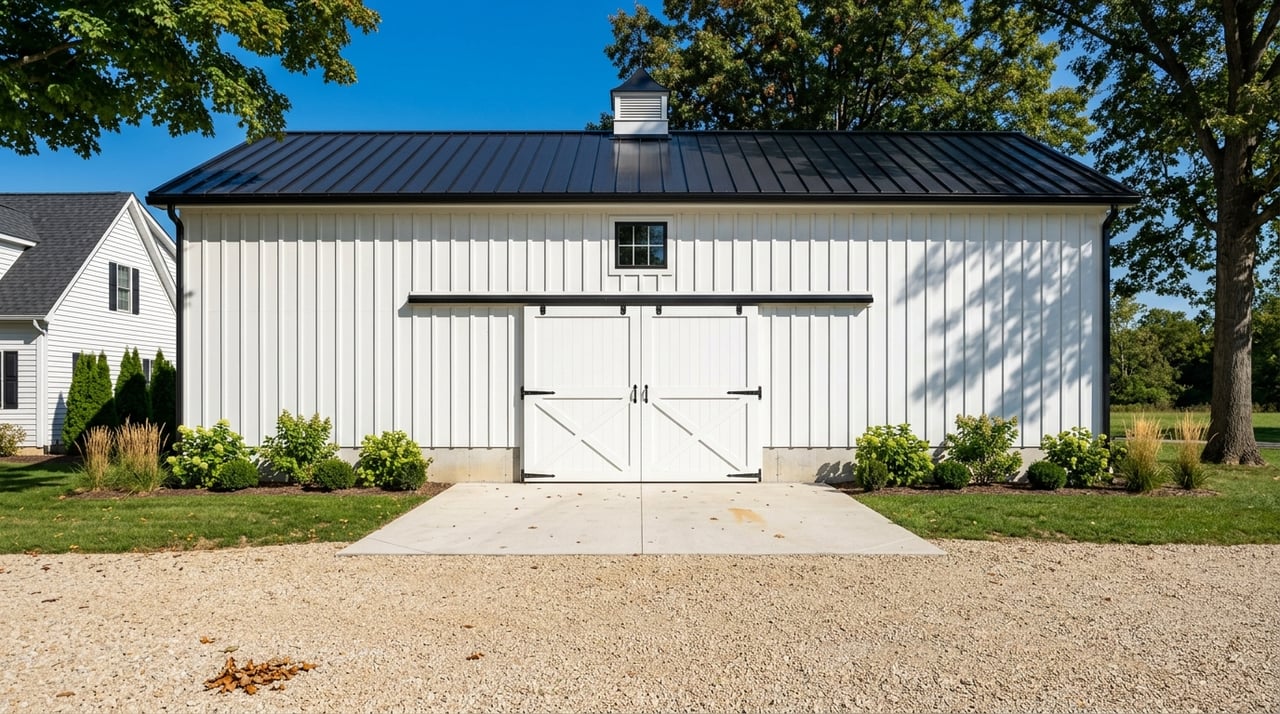
If you are dreaming about a home with room for horses, a private barn, or a small hobby farm, Oakland Township is one of the first places in Oakland County worth a closer look. Its lower-density layout and rural, wooded character make it appealing for buyers who want more land without leaving Southeast Michigan behind. The key, though, is knowing that not every large-looking parcel will support the way you want to live. This guide will help you understand the zoning, acreage, barn rules, and property checks that matter before you buy. Let’s dive in.
Why Oakland Township Stands Out
Oakland Charter Township covers 36 square miles and describes itself as less densely populated than nearby townships while preserving a rural residential feel. For you as a buyer, that means more opportunities to find larger parcels, natural features, and homes that align with a hobby farm or equestrian lifestyle.
The township also includes parks and trails that support horseback riding. For example, the Paint Creek Trail allows horses north of Dutton Road only. That can be a nice lifestyle benefit, but it does not replace the need to confirm what your private property actually allows.
Start With Zoning First
Before you fall in love with a house, pasture, or barn, confirm the parcel’s zoning district. In Oakland Township, zoning is one of the biggest factors in whether a property can work for horses, agricultural use, outbuildings, or a future expansion.
The township’s posted zoning table shows several low-density districts that may fit hobby-farm-style properties. These include VLRD, LRD, LMRD, MRD, and RC, with RC requiring the largest lot size at 10 acres.
Key districts to know
- VLRD: 100,000 square feet without sewer, 75,000 with sewer
- LRD: 60,000 square feet without sewer, 45,000 with sewer
- LMRD: 40,000 square feet without sewer, 30,000 with sewer
- MRD: 26,000 square feet without sewer, 19,500 with sewer
- RC: 10 acres with or without sewer
The zoning ordinance states that agriculture, farms, and farm buildings are permitted in VLRD, LRD, LMRD, MRD, and RC. The ordinance also emphasizes open space, rural character, and preservation of natural features, which is an important part of how Oakland Township approaches land use.
Why Lot Size Alone Is Not Enough
A common mistake is assuming that if a parcel is large enough for a house, it is automatically large enough for horses. In practice, the township’s animal rules can be the more important threshold.
That matters because some residential districts allow homes on smaller lots, but the ordinance sets a separate acreage standard for horses and similar animals. So even if the house itself is legal on the parcel, your intended use may not be.
Horse Rules You Need to Know
In Oakland Township, horses are classified as Class II animals. The ordinance allows Class II animals in the VLRD, LRD, LMRD, MRD, and RC districts, but the lot must contain at least 2 acres.
That 2-acre minimum is one of the first filters you should use when shopping for equestrian property. If a parcel is under 2 acres, it may not meet the basic rule for keeping horses, even if the home and yard seem spacious.
Required setbacks and fencing
The ordinance also includes location standards for structures and fenced areas tied to Class II animals:
- Structures housing Class II animals must be at least 200 feet from an adjacent dwelling
- Those structures must be at least 100 feet from an adjacent lot line
- Fenced areas must remain at least 50 feet from an adjacent dwelling
- Adequate fencing is required
These rules are important because usable acreage and total acreage are not always the same. A parcel may technically meet the acreage requirement, but natural features, lot shape, easements, or setback limits can reduce where a barn, paddock, or fence can actually go.
Private Stable vs. Commercial Use
If your goal is simply to keep your own horses, you will want to understand the difference between a private stable and a commercial operation. The township defines a private stable as a building where horses or other livestock are sheltered and that is not intended for commercial use or profit.
That distinction matters if you are comparing a private barn for personal use with a property where you hope to offer boarding, lessons, or training. Once a use shifts into something more commercial, the review path can change.
When a Riding Academy Changes the Rules
A riding academy is treated differently under the ordinance. In the RC district, a stable and riding academy is considered a special land use.
For that type of use, the ordinance requires:
- At least 15 acres
- A minimum lot width of 330 feet
- Buildings set back 100 feet from adjoining properties
- Paddocks or corrals at least 10 feet from side or rear lot lines
- Manure and bedding disposal handled in line with Oakland County Health Department rules and GAAMPs
If your plan includes lessons, boarding, or a larger-scale horse operation, this is the point where early due diligence becomes essential. The Oakland Township Planning Commission reviews site plans and special land use applications and sends recommendations to the Township Board of Trustees.
Barns and Accessory Buildings
Many buyers focus on the home first and assume the barn can be figured out later. In Oakland Township, that can be risky.
Detached accessory buildings in single-family areas generally cannot be placed in the front yard on parcels under 10 acres. They also typically must be at least 10 feet from the rear lot line and 10 feet from the principal building.
Height matters too. Detached accessory buildings are generally capped at 15 feet unless the ordinance’s larger-height and setback tradeoff is satisfied.
The township building department also states that detached accessory buildings over 200 square feet require a building permit. In addition, accessory and principal buildings together must remain within the district’s allowed lot coverage.
A key issue for vacant land buyers
If you are buying land with plans to build later, do not assume you can put up a barn first. On typical residential parcels, the ordinance says an accessory building cannot be built where there is no principal building.
That is why it is so important to confirm whether a proposed barn would be treated as a farm building, an accessory structure, or another use category. The answer can affect your timeline, approvals, and overall budget.
Road Access, Water, and Septic
Lifestyle properties often involve more than acreage. Access and utilities can shape both daily use and long-term cost.
The zoning ordinance requires every building to have access to a public street or an approved private road. Structures must also allow safe ingress and egress for fire and police protection. If you are considering a long driveway or private-road setting, that is not just a convenience issue. It is part of the property’s compliance and service picture.
Water service questions are handled through the County Water Commissioner, not Oakland Township. For private wells and onsite sewage disposal systems, the Oakland County Health Division issues permits and conducts inspections.
If a home relies on a private well, Oakland County recommends annual bacteria and nitrate testing. For buyers looking at older rural homes or vacant land, well and septic due diligence should be part of your early review, not an afterthought.
Don’t Forget Private Restrictions
Zoning is only one layer of the picture. The township ordinance states that it does not override private deed restrictions, covenants, or other private agreements unless they conflict with the ordinance.
In plain terms, a parcel might satisfy township zoning and still be limited by recorded restrictions or HOA rules. Before you move forward, make sure you understand both the public rules and any private restrictions tied to the property.
What to Ask Before You Make an Offer
When you are buying a hobby farm or equestrian home in Oakland Township, clear answers upfront can save you time, money, and frustration later. A careful review is especially important when the property includes vacant land, existing outbuildings, or a use that goes beyond simple residential living.
Ask these questions early:
- What is the parcel’s exact zoning district?
- Are horses being treated as Class II animals on this lot?
- Does the lot meet the 2-acre minimum for horses?
- Is the existing or proposed barn considered a farm building, accessory building, or special land use?
- Is the property served by public water and sewer, or does it rely on well and septic?
- Are there easements, conservation restrictions, wetlands, floodplain issues, or road-access concerns that limit barn or paddock placement?
- If the plan includes boarding, lessons, or training, will special land use approval be required?
A Smarter Way to Buy Rural Property
Buying this kind of property is different from buying a typical suburban home. You are not just evaluating bedrooms, finishes, and curb appeal. You are also evaluating use rights, building limits, access, utility systems, and how the parcel functions in real life.
That is where careful, local guidance matters. When you understand the ordinance before you commit, you can shop with more confidence and avoid surprises after closing.
If you are exploring hobby farm or equestrian homes in Oakland Township, Five Star Luxury Realty can help you evaluate property fit, ask the right zoning questions, and move forward with clear, informed guidance.
FAQs
What zoning districts in Oakland Township may allow hobby farm uses?
- Oakland Township’s ordinance states that agriculture, farms, and farm buildings are permitted in VLRD, LRD, LMRD, MRD, and RC districts.
How many acres do you need for horses in Oakland Township?
- Horses are treated as Class II animals, and the ordinance requires a lot of at least 2 acres in the eligible districts.
Can you build a private horse barn on vacant land in Oakland Township?
- On typical residential parcels, an accessory building cannot be built where there is no principal building, so you should confirm how the township would classify the proposed barn before you buy.
What is the difference between a private stable and a riding academy in Oakland Township?
- A private stable is for sheltering horses or livestock without commercial use or profit, while a stable and riding academy in the RC district is a special land use with added acreage and site requirements.
Do equestrian properties in Oakland Township need public road access?
- Yes. The zoning ordinance requires every building to have access to a public street or an approved private road, along with safe access for fire and police protection.
Who handles well and septic permits for Oakland Township properties?
- The Oakland County Health Division issues permits and inspections for private wells and onsite sewage disposal systems.