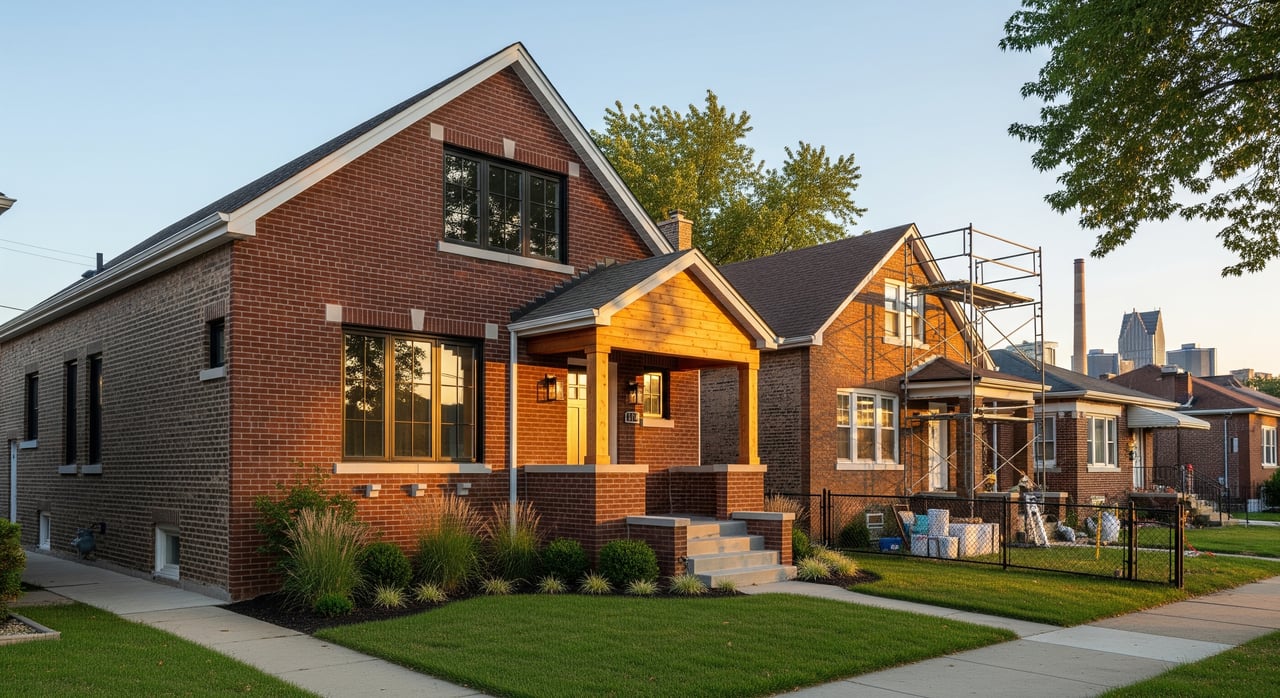
Should you chase quick cash flow with a turnkey rental or build equity with a fixer in Detroit? If you are weighing those options, you are not alone. The Detroit metro offers both paths, but outcomes depend on your timeline, risk tolerance, and block-by-block research.
In this guide, you will learn how each strategy works in Detroit, what costs to expect, how permitting and lease-up differ, and where investors often miscalculate. You will also get a simple decision framework and a due diligence checklist you can use before you write an offer. Let’s dive in.
Detroit market snapshot
Detroit has been recovering for more than a decade, with momentum centered around core neighborhoods and select suburbs. Demand is supported by downtown and Midtown investment, major employers and universities, and manufacturing and logistics across the metro. Trends vary widely by area, so micro-market analysis matters more than citywide averages.
Consider this practical tiering when comparing deals:
- Tier A: Downtown, Midtown, Corktown, New Center, and areas near large employers and universities. Lower vacancy, higher price per unit.
- Tier B: Close-in residential neighborhoods and stable suburbs such as Dearborn and parts of Livonia. Moderate pricing and steady demand.
- Tier C: Value neighborhoods with more distressed stock. Lower entry price but higher operating and rehab risk.
Inventory often comes through the MLS, local wholesalers and auctions, the Detroit Land Bank Authority, and county tax-foreclosure auctions. Each source has different timelines and rehab expectations.
Turnkey vs. fixer: the core differences
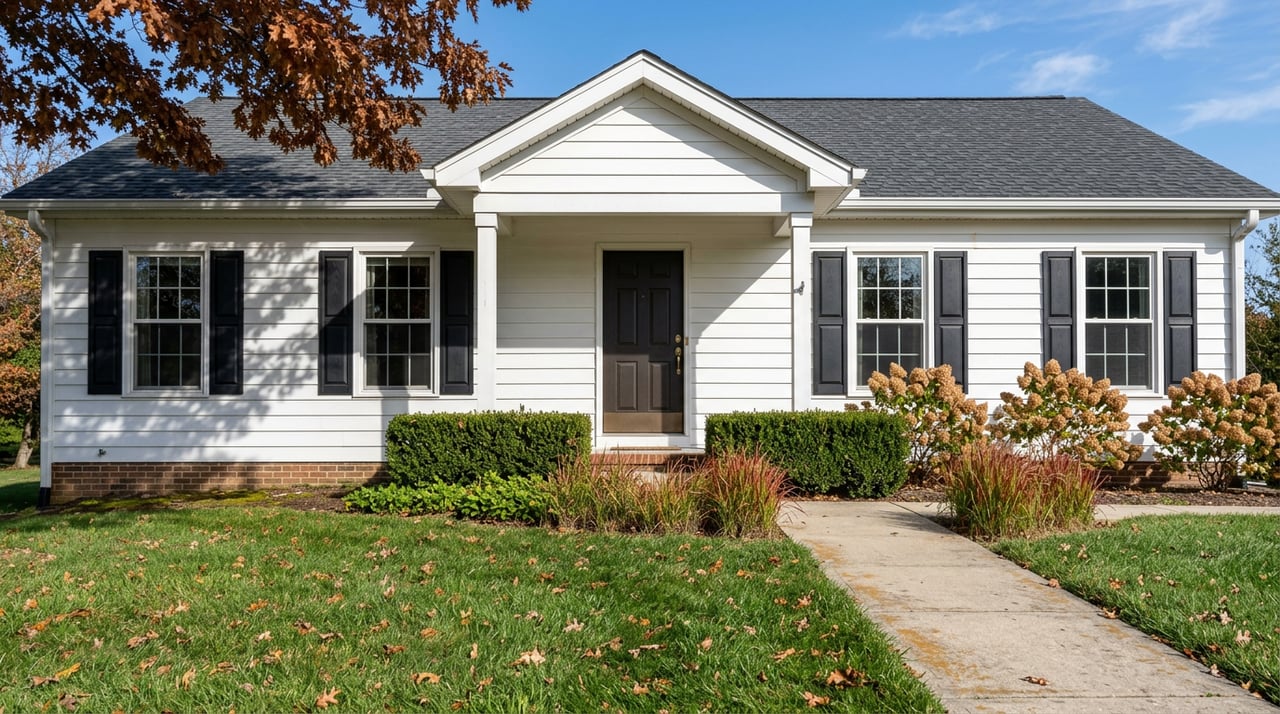
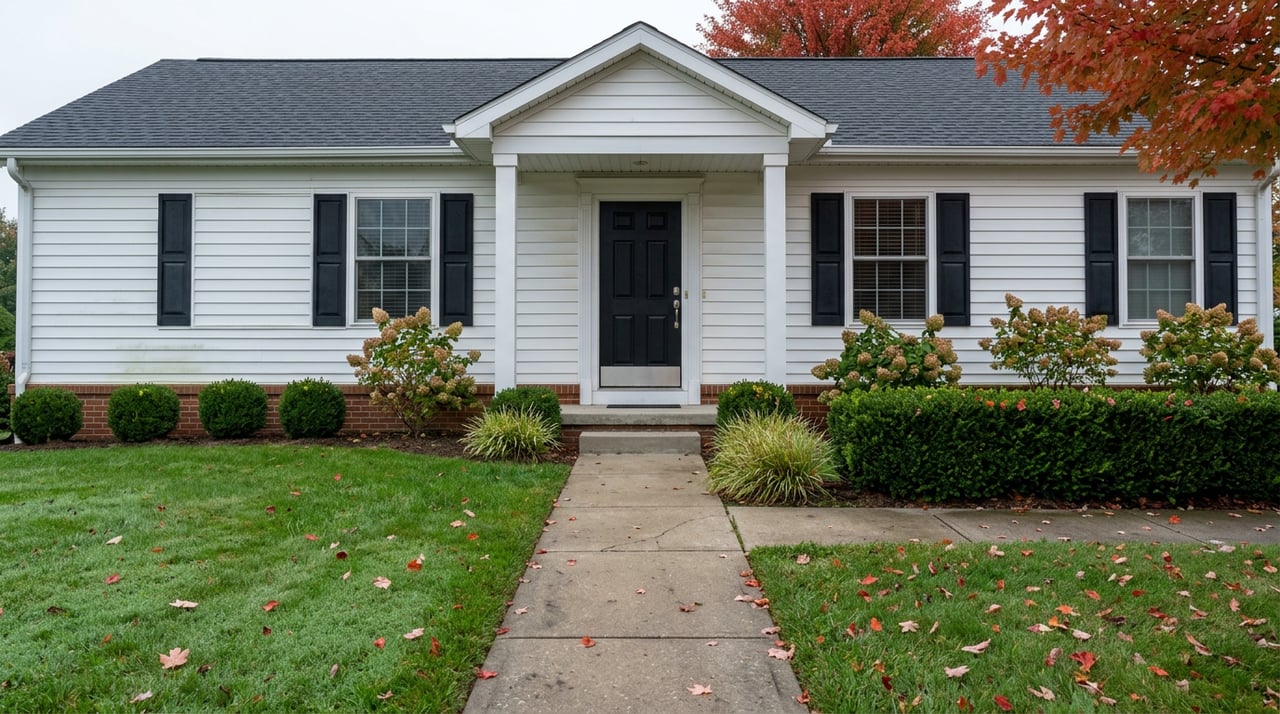
Turnkey rentals are renovated to a rent-ready standard, often with a tenant or a property manager already in place. You trade a higher purchase price for faster income and less project management. This suits you if you want immediate cash flow and minimal rehab oversight.
Fixer or value-add rentals sell at a discount because they need repairs, system updates, or code work. You can force appreciation and improve rents by renovating, but you must tolerate construction risk and vacancy during rehab. This suits you if you have contractor access, more time, and a higher risk tolerance.
In short: turnkey emphasizes speed and simplicity while fixers target upside through renovation. Match the strategy to your capacity and goals.
Timelines and lease-up expectations
Turnkey:
- Closing to rent-ready: days to a few weeks, depending on inspections and any turnover work.
- Lease-up: faster in core neighborhoods and stable suburbs when priced to comps.
Fixer:
- Inspection and negotiation: 1 to 2 weeks.
- Permitting: timeline varies by scope and city backlog.
- Demo and structural: 1 to 4 weeks.
- Systems and finishes: 2 to 12+ weeks.
- Total for a single-family rehab: often 1 to 6 months before marketing for lease, longer for bigger scopes or if unpermitted work surfaces.
Expect longer vacancy for fixers due to rehab time. Turnkey units typically produce income sooner and lower initial vacancy risk.
Cost model: what to budget
Every project lives or dies on accurate numbers. Build a pro forma that includes:
- Acquisition price: market comps or discounted pricing on REO or Land Bank assets.
- Holding costs: mortgage interest, taxes, insurance, utilities, security, and property management during vacancy.
- Rehab hard costs: roof, foundation and moisture mitigation, HVAC, electrical, plumbing, hazardous material remediation where needed, windows, siding, interior finishes.
- Soft costs: permits, architect or engineer when required, inspection fees, lender fees, and a contingency. A 10 to 20 percent contingency on hard costs is common.
- Lease-up and turnover costs: marketing, leasing fees, minor repairs, and required inspections for rental compliance.
- Ongoing operating costs: property taxes, insurance, maintenance, lawn and snow, and property management.
- Capital reserves: plan for future roof, HVAC, or major systems on older stock.
Older Detroit homes often carry deferred maintenance. If you buy a fixer, budget specialist inspections and increase contingency when systems are unknown.
Rents, vacancy, and tenant mix
Rents and vacancy are highly local. Near major employers and universities, homes lease faster. Detached single-family rentals in middle suburbs usually lease in a moderate timeframe. Properties in value neighborhoods can take longer and may have higher turnover.
Renovated units can command a rent premium over unrenovated ones in the same pocket, but the premium is capped by nearby comparable leases. Align asking rent with actual comps for similar bed-bath count, finishes, and amenities.
Turnkey properties often plug directly into professional property management. Fixers give you more control over target tenant segments if you renovate to a higher standard, but screening must be careful in areas with higher historical turnover.
Financing options to consider
Lenders price risk by property condition. A distressed home may not qualify for standard conventional financing until repairs are complete. Choose financing that aligns with asset condition and your exit plan.
- Conventional investment loans: common for buy-and-hold when homes meet livability standards. Down payments typically range from 15 to 25 percent depending on the product.
- Owner-occupied options: lower down payments if you will live in the home or in one unit of a 2–4 unit property. FHA 203(k) can fund rehab for owner-occupants but has detailed requirements.
- Rehab loans: products like HomeStyle Renovation or lender portfolio programs may fund repairs with an approved scope and contractor.
- Bridge or hard-money loans: useful for quick acquisitions and major rehabs. Costs are higher, so plan a clear exit to long-term financing.
- Portfolio and commercial loans: often used for 5+ units or when conventional guidelines do not fit.
Local credit unions and community banks in Southeast Michigan can be flexible if you present a strong business plan and local team. For fixers, expect lenders to require a detailed scope, bids, and draw controls.
Permits, inspections, and compliance in Detroit
The City of Detroit’s Building, Safety Engineering and Environmental Department oversees permits and enforces property maintenance codes. Plan for permit lead times and multiple inspections for electrical, plumbing, and final occupancy when your scope requires them. Unpermitted work discovered by inspectors can delay leasing and add cost.
Detroit has active rental registration and compliance standards. You must register and, in certain situations, secure a Certificate of Compliance to lease legally. If you purchase from the Detroit Land Bank Authority, expect sale covenants that require timely rehab and proof of completion before occupancy.
Responsive management and code compliance are important across many neighborhoods. It protects your timeline and reduces the risk of fines or enforcement actions.
Returns and risk: how to underwrite
Use a consistent set of metrics when you compare deals:
- Gross Rent Multiplier: price divided by annual gross rent. Good for quick screening.
- Net Operating Income: rent minus operating expenses, before debt.
- Cap rate: NOI divided by price. Compares yield across assets.
- Cash-on-cash return: annual cash flow after debt divided by initial cash invested.
- IRR: models multi-year performance and exit.
What to expect in general:
- Turnkey properties often trade at lower cap rates but deliver faster cash flow with reduced project risk.
- Fixers can create higher cap rates or equity once stabilized, balanced by construction, permitting, and lease-up risk.
For turnkey, model conservative rents, a realistic vacancy factor, and lower initial capital expenditures. For fixers, use written contractor bids, include a 10 to 20 percent contingency, and stress-test for longer vacancy and cost overruns.
Decision framework: pick your path
Start with your objectives and capacity. Then match the strategy to your resources and risk tolerance.
- Clarify goals: immediate cash flow vs. equity growth and long-term IRR.
- Gauge capacity: cash for down payment, rehab, and contingency; time for project management; access to local contractors or a property manager.
- Triage neighborhoods: focus on micro-markets that match your risk profile and rent targets.
- Choose financing: align loan type with property condition and your exit plan.
- Stress-test: run best, base, and worst-case scenarios on rehab costs and lease-up timing.
If you want lower effort and faster income in a Tier A or B area, turnkey can fit well. If you can manage a project in a Tier B or C pocket with realistic bids and compliance planning, a fixer can build equity and yield.
Due diligence steps and local resources
Follow a consistent checklist before you commit:
- Market check: rent comps, vacancy indicators, and recent comparable sales in the immediate pocket.
- Title and taxes: verify tax history, liens, and any outstanding code violations.
- Inspections: full home inspection plus specialist reviews for foundation, HVAC, and potential lead or asbestos risks where signs exist.
- Contractor bids: get at least two written bids for material scopes; confirm licensing and insurance.
- Permits and history: review past permits and completion certificates. For recent work, request sign-offs.
- Insurance quotes: older urban homes can cost more to insure; quote early so it does not surprise your underwriting.
- Property management: interview local managers to vet rents, turn costs, and maintenance budgets.
- Exit strategy: identify likely buyer pools and resale comps if you need to sell.
Helpful local sources include the City of Detroit’s building and code department, the Detroit Land Bank Authority, the Wayne County treasurer and property search portals, and statewide resources through housing authorities. Pair these with local MLS reports and conversations with experienced property managers and contractors.
Scenario snapshots
- Turnkey in a stable suburb: You acquire a renovated single-family home in a middle suburban area with verified rent comps and a manager ready to lease. You accept a slightly lower cap rate for speed to cash flow and lower project risk.
- Value-add near core neighborhoods: You buy a discounted home that needs systems and finish work. With permits, inspections, and contingency in place, you complete rehab, achieve a rent premium for the area, and create equity at stabilization. You trade time and construction risk for a higher return target.
Next steps
Both strategies can work in Detroit if you align them with your bandwidth, financing, and micro-market. Start with your goals, then validate numbers with on-the-ground comps, contractor bids, and permitting steps. A disciplined process reduces surprises and turns your plan into performance.
If you want help pressure-testing a deal, mapping timelines, or coordinating inspections and contractors, connect with Five Star Luxury Realty. We combine neighborhood insight with contract-smart guidance so you can invest with clarity and confidence.
FAQs
What is a turnkey rental in Detroit?
- A turnkey rental is sold renovated to a rent-ready standard, often with a tenant or manager lined up, so you can start cash flow sooner with less rehab oversight.
What does a fixer or value-add deal involve?
- A fixer is purchased at a discount due to needed repairs or code work; you manage rehab, permitting, and lease-up to create equity and potentially higher yields.
How long does a Detroit rehab take?
- Single-family rehabs commonly run 1 to 6 months depending on scope, permitting, and inspections, with longer timelines for larger or unpermitted work.
What contingency should I budget for rehabs?
- Many investors use a 10 to 20 percent contingency on hard costs, increasing it for older homes or when systems are unknown or environmental risks are possible.
Can I use a conventional loan for a fixer?
- Often only if the home meets livability standards. Many fixers require rehab financing, hard money, or a portfolio loan, with a plan to refinance after stabilization.
How do rents and vacancy vary across Detroit?
- Lease-up tends to be faster near major employers and in stable suburbs, while value neighborhoods may take longer and see higher turnover. Always verify with local comps.
What permits and approvals are required to rent?
- You must comply with Detroit’s rental registration and property maintenance standards. Depending on scope, you may need permits and inspections before occupancy.