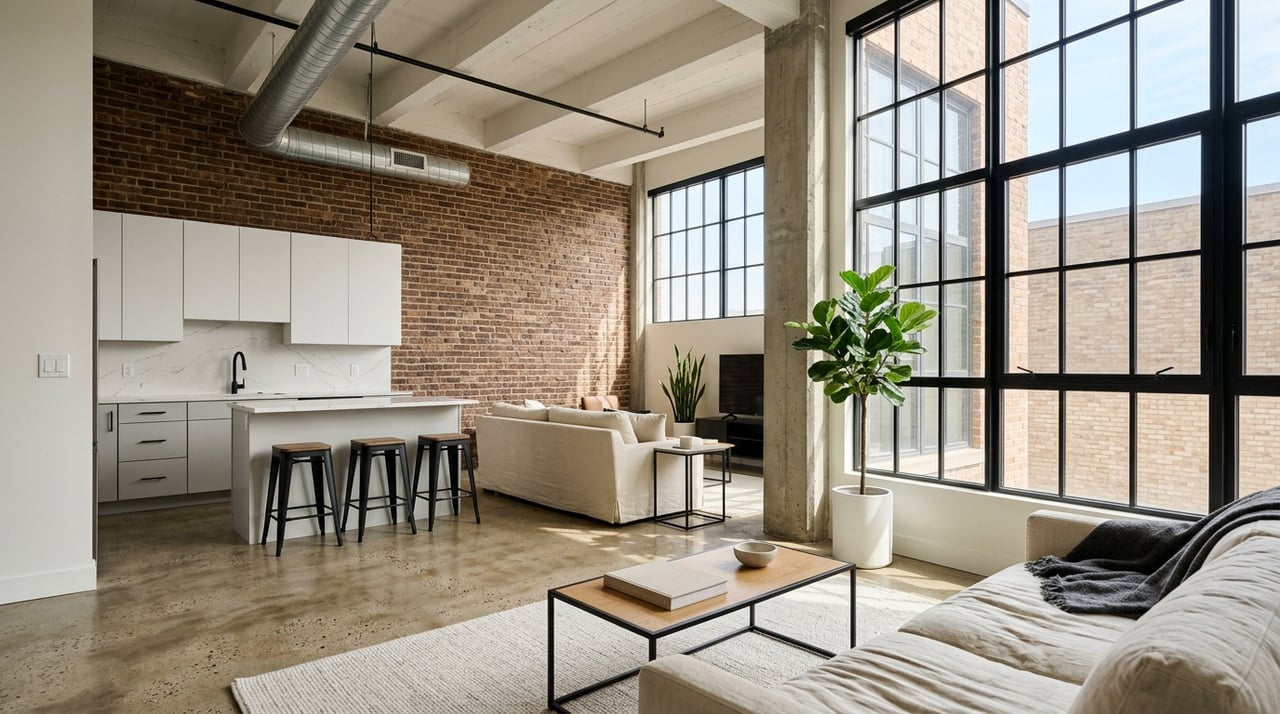
Downtown Detroit loft living can look glamorous online, but the day-to-day reality is more specific than exposed brick and skyline views. If you are thinking about buying or renting a loft downtown, you need a clear picture of what life there actually feels like, what buildings tend to offer, and what costs or rules may come with the experience. This guide breaks down what loft living in Downtown Detroit really looks like so you can decide whether the lifestyle fits your goals. Let’s dive in.
Downtown loft living is a niche market
Downtown Detroit feels busy because it is. According to the Downtown Detroit Partnership BIZ data, the area has more than 75,000 employees, nearly 6,900 residents, and millions of yearly visits. That means loft living happens in an active urban core, not a quiet residential pocket.
Housing inventory is still relatively limited. The Downtown Detroit Partnership’s residential growth update notes that only 42 of 437 downtown buildings are residential, even as new projects continue to add units. In practical terms, downtown lofts are part of a small but growing housing segment, which helps explain why inventory can feel selective.
What downtown lofts usually look like
Downtown Detroit lofts are not all the same. Some lean heavily into historic character, while others offer a more polished, luxury-forward version of loft living.
Historic buildings lead the market
A large share of downtown loft inventory comes from adaptive reuse of older commercial buildings. Instead of brand-new warehouse conversions, many residences were created by reworking historic office or mixed-use buildings into housing.
For example, Book Tower includes 229 residences with oversized windows, quartz countertops, European white oak flooring, and covered parking. 1525 Broadway features full-floor apartments with open layouts, wall-to-wall windows, tall ceilings, exposed ductwork, and concrete floors. Those details help define the downtown loft look many buyers picture.
Industrial style can vary widely
Some buildings deliver a more industrial feel than others. Fourteen56 and The Press/321 show how loft living can include historic structure, open interiors, and modern amenities layered into older architecture.
That matters because “loft” can mean very different things from one address to the next. One building may feel raw and industrial, while another may feel refined and almost hotel-like.
Newer luxury loft options feel different
Not every downtown loft is rustic. Some projects blend historic architecture with a more elevated finish package and a fuller amenity list.
The Stott and The Ferguson reflect that more polished side of the market. At the luxury end, Hudson’s Detroit and The Detroit EDITION are planned to include for-sale condos with 10-foot ceilings, natural finishes, resident-only amenities, and hotel-style services. If you want character without sacrificing convenience, these newer or upgraded projects may feel very different from a more stripped-down industrial loft.
The lifestyle is convenience plus activity
Loft living downtown is often about access as much as architecture. You are choosing a home base inside a district built around work, entertainment, dining, events, and movement.
Walkability shapes your routine
Many buyers are drawn to downtown because daily errands and social plans can happen without a long drive. The Downtown Detroit Partnership’s 2025 by-the-numbers report shows a growing downtown population, including younger professionals and some empty nesters who want a lower-maintenance lifestyle.
That profile makes sense. Loft living tends to fit people who value proximity, flexibility, and city energy more than private yard space or extra storage.
Transit and public spaces matter
Your day-to-day experience is shaped by how close you are to transit and gathering spaces. The QLINE runs from Downtown to Grand Boulevard with 12 stops, service every 15 minutes or less, and free rides at this time.
Campus Martius, the Riverwalk, and downtown parks also influence how people use the area. If you like walking, biking, and being near public activity, downtown offers that in a way many suburban settings do not.
Building location changes the feel
Not all downtown lofts deliver the same rhythm of life. A home near Campus Martius, Grand Circus, or Woodward retail may feel more connected to foot traffic, events, and transit, while a location closer to the riverfront may feel different in pace and daily flow.
This is one of the biggest things buyers underestimate. Two lofts with similar square footage can offer very different living experiences based on the block, the surrounding streets, and how you plan to move through downtown.
Amenities tell you a lot
If you want to understand a building quickly, look at the amenity package. It often reveals both the lifestyle a property supports and the carrying costs you should be ready for.
Common amenities to expect
Across downtown properties, amenities can include:
- Controlled building access
- Nearby or attached parking
- Fitness centers
- Coworking areas
- Rooftop or terrace spaces
- Bike storage
- Car storage or automated parking
The 1525 Broadway property overview and other downtown building profiles show how widely these features can vary. Some loft buildings focus mostly on the residence itself, while others try to create a more full-service environment.
More amenities often mean more cost
This is where buyers need to think beyond the listing photos. Buildings with more services and shared spaces generally require more staffing, maintenance, insurance, utilities, and long-term replacement planning.
That does not mean you should avoid those buildings. It simply means the monthly cost of ownership may reflect the level of service and infrastructure supporting the property.
Condo fees and rules are part of loft living
One of the biggest differences between loft living and a standalone home is the layer of shared governance. If you are buying a downtown condo loft, association documents are not just paperwork. They directly affect how you live and what you pay.
Reserve funds are required
Under Michigan condominium law, associations must maintain a reserve fund for major repairs and replacement of common elements. That is important in any condo building, but especially in older urban properties where shared systems may include elevators, roofs, mechanical infrastructure, common corridors, and parking components.
A healthy reserve fund can be a sign of better long-term planning. It also reminds you that the building has real future costs that need to be funded over time.
Rules can affect daily use
Michigan condo boards generally have authority to adopt reasonable rules, and owners, tenants, and occupants must comply with the governing documents and rules, as explained in this overview of community association rulemaking. In practice, that can include rules about pets, modifications, and maintenance responsibilities.
For loft buyers, this matters because customization is often part of the appeal. Before you assume you can change finishes, alter layouts, or make visible updates, it is smart to understand what the documents allow.
Review more than the monthly dues
Monthly association fees are only part of the picture. This explanation of Michigan condo assessment types notes that condo documents may allow annual, additional, and special assessments under certain conditions.
Before closing, review:
- The master deed or declaration
- Bylaws
- Rules and regulations
- Current budget
- Reserve information
- Assessment history
This is where contract-smart guidance can make a real difference. A loft may be a great fit, but you want to understand the full ownership structure before you commit.
Who downtown loft living fits best
Loft living is not better or worse than suburban living. It is simply a different match for different priorities.
It often works best for buyers who want access
Downtown lofts tend to fit buyers who care most about:
- Walkability
- Low-maintenance ownership
- Access to restaurants and events
- Transit connectivity
- Distinctive architecture
- A lock-and-leave lifestyle
If you want extra storage, private outdoor space, or a quieter residential setting, a downtown loft may feel limiting. If you want character and convenience in the center of the city, it can be a strong fit.
Expectations matter as much as budget
The best downtown loft decisions come from matching your expectations to the building and block. You are not just buying square footage. You are buying into a set of shared spaces, rules, costs, and a specific pace of urban life.
That is why loft living in Downtown Detroit is best understood as convenience plus character. You get architecture, energy, and location, but you also take on association structure, shared-building considerations, and a lifestyle shaped by the surrounding streets.
If you are comparing downtown lofts in Detroit and want clear, practical guidance on building differences, documents, and the full cost picture, Five Star Luxury Realty can help you sort through the details and move forward with confidence.
FAQs
What does loft living in Downtown Detroit usually mean?
- Loft living in Downtown Detroit usually means living in a converted historic building or loft-style residence with open layouts, tall ceilings, large windows, and an urban location close to downtown jobs, events, transit, and public spaces.
Are Downtown Detroit lofts mostly in new buildings or historic buildings?
- Most downtown loft-style residences come from adaptive reuse of older commercial buildings, although some newer luxury developments offer a more polished version of loft living.
Do Downtown Detroit lofts usually have condo association fees?
- Many downtown loft purchases involve condo-style ownership, which can include monthly association fees, reserve funding, and the possibility of additional or special assessments depending on the governing documents.
What should buyers review before buying a Downtown Detroit loft?
- Buyers should review the master deed or declaration, bylaws, rules and regulations, current budget, reserve information, and any assessment history before closing.
Is Downtown Detroit loft living a good fit for everyone?
- Downtown loft living is often a better fit for people who prioritize walkability, lower-maintenance ownership, and access to city amenities over private yard space, extra storage, or a quieter residential setting.