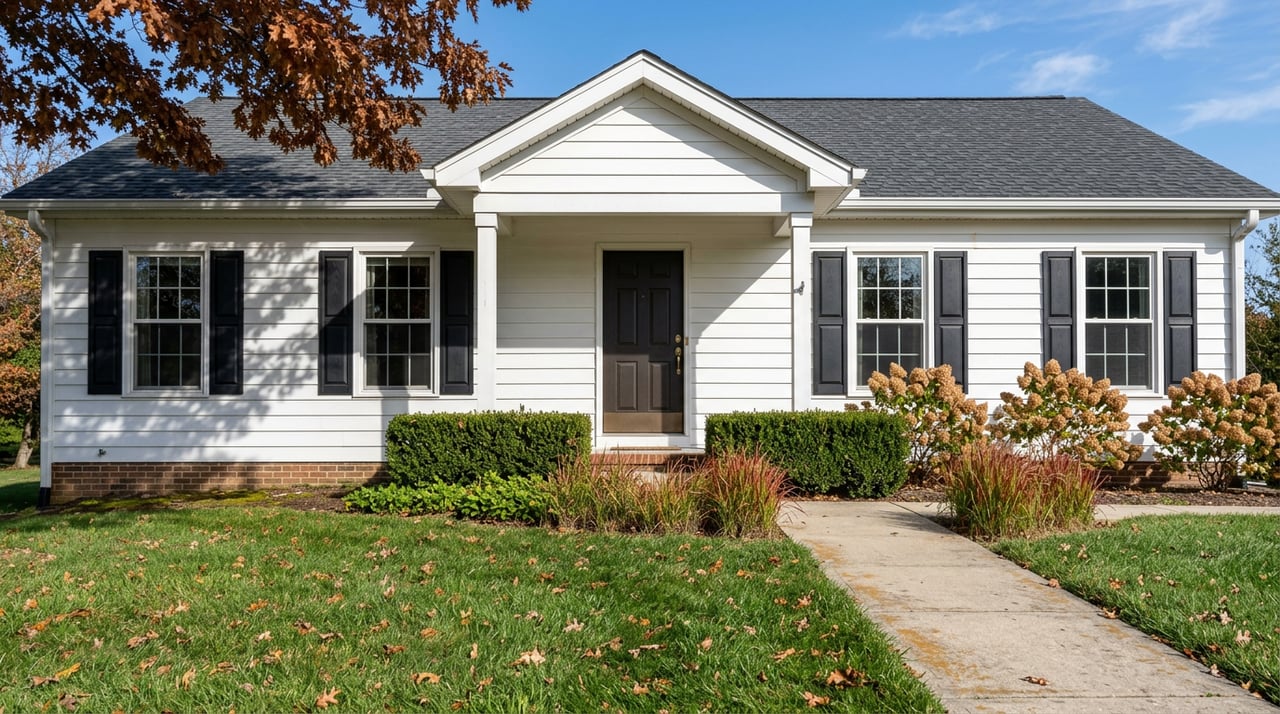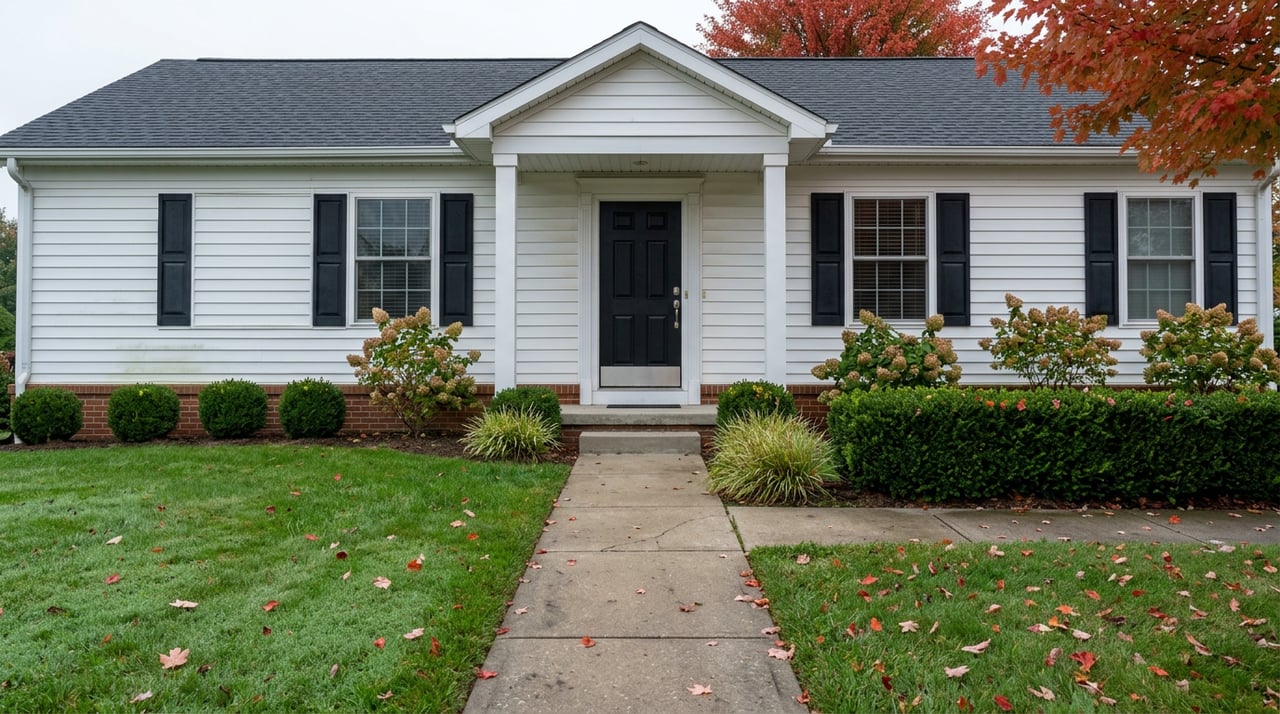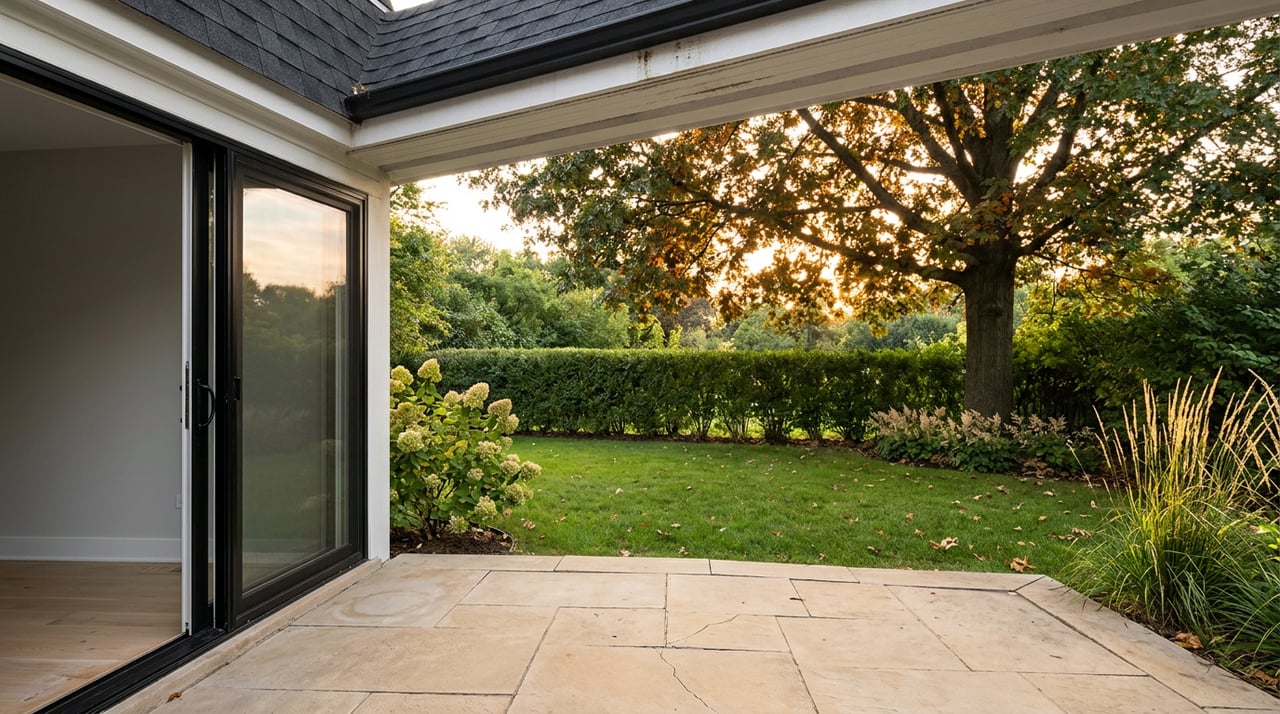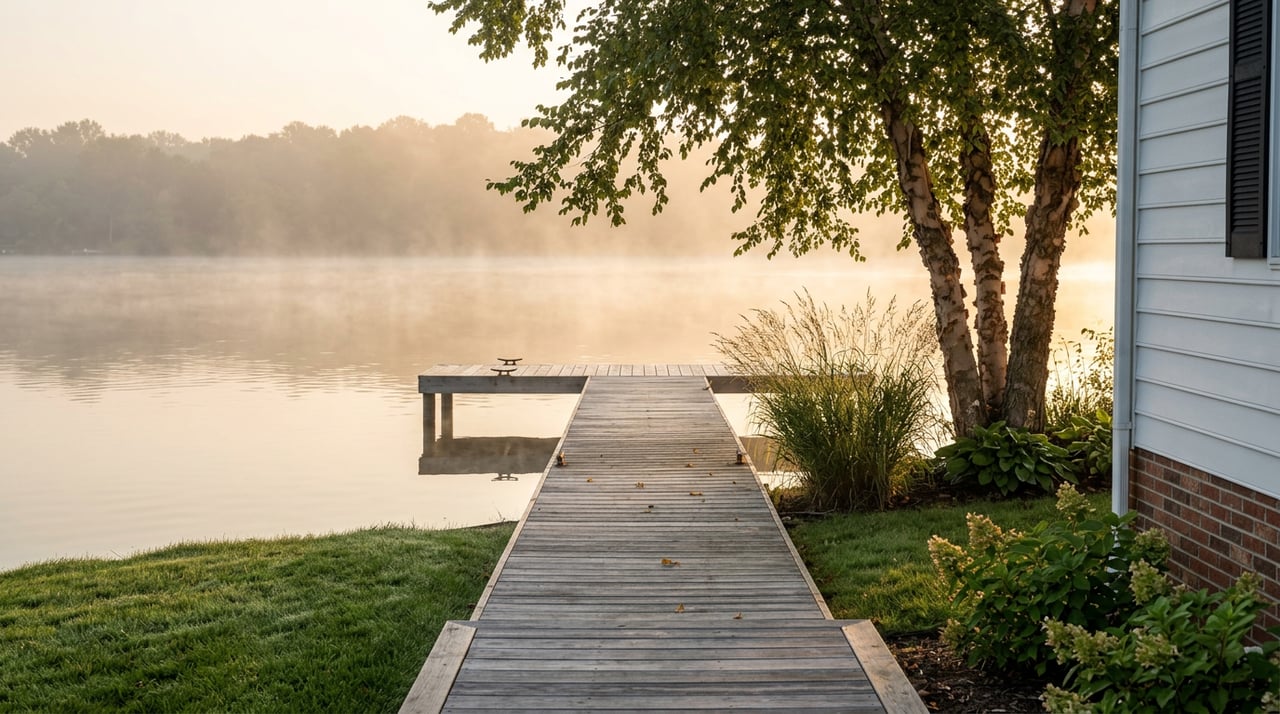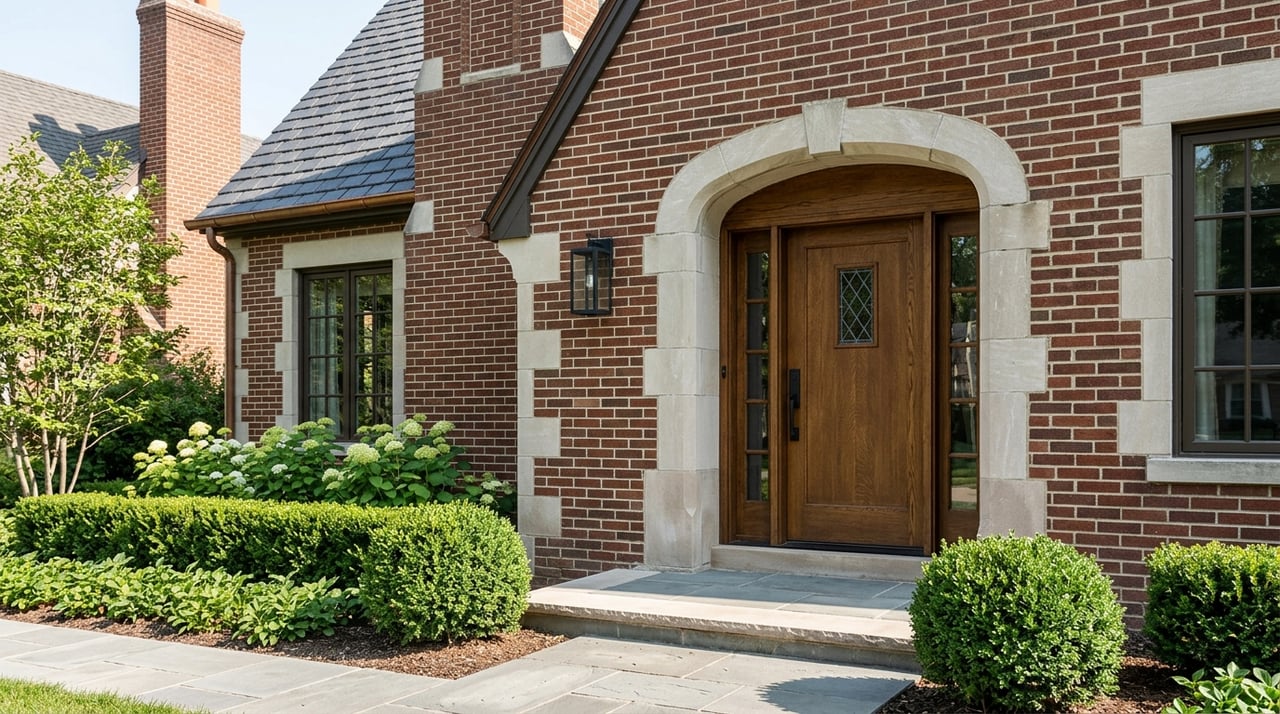
What if the home you love for its original millwork, leaded glass, or formal staircase also needs to work for how you live today? In Grosse Pointe Farms, that balance is part of the appeal. If you are drawn to historic character but want modern comfort and function, understanding how these homes, lots, and updates fit together can help you buy or sell with more confidence. Let’s dive in.
Why Grosse Pointe Farms Feels Distinct
Grosse Pointe Farms has a deeper architectural story than many buyers expect. According to the Grosse Pointe Historical Society’s architectural survey, the city grew from early ribbon farms into an early 20th-century suburb shaped by Detroit’s growth and the rise of the automobile.
That history created a housing stock with real variety. You will see English Tudor, Colonial, Georgian, French Renaissance, Italianate, and Arts and Crafts influences rather than one single neighborhood style. For buyers, that means the search is often less about finding a generic “historic home” and more about choosing the era and design language that fits your lifestyle.
The city’s timeline stretches back even further than its well-known 1920s image. The Provencal-Weir House, originally built around 1823, remains the oldest surviving residence in the Farms and highlights just how long the area’s architectural history has been evolving.
Historic Styles You May Find
Many people associate Grosse Pointe Farms with Tudor and Colonial homes, and those styles are certainly visible. They are part of the city’s enduring look, especially in neighborhoods developed during the early decades of the 20th century.
At the same time, the local housing stock is more layered than that shorthand suggests. The Beverly Road Historic District is listed on the National Register of Historic Places and reflects late 19th- and 20th-century revival architecture tied to the city’s planning and development.
You can also find more formal estate architecture. The Chapin Residence on Lake Shore Road is a 1927 Georgian mansion designed by John Russell Pope, showing the stately side of the Farms’ architectural spectrum.
This mix matters because it shapes both value and function. A bright Tudor with many windows, a formal Georgian estate, and a later modernist house may all sit in the same city, but they offer very different layouts, renovation paths, and maintenance needs.
Lots Matter as Much as Architecture
In Grosse Pointe Farms, the lot can influence your daily living almost as much as the house itself. The area’s early ribbon-farm pattern created parcels with substantial lakefront width and land extending inland, which helps explain why the city still includes both estate-like settings and smaller interior lots. The historical record on ribbon farms offers important context for how these properties took shape.
That contrast still shows up today. City documents note that some interior lots, such as those discussed in a 2024 board packet, measure about 45 by 75 feet, while many R-1 lots require at least 50 feet of width and 5,000 square feet.
On the other end of the spectrum, the Farms also includes the broad-lawn, lake-oriented estate pattern that became more prominent by the 1910s and 1920s as cottages and farmhouses gave way to larger residences. That site setting is part of the city’s long-term appeal and one reason homes here can feel so different from one block to the next.
How Historic Homes Support Modern Living
Historic homes in Grosse Pointe Farms often come with details that are hard to replicate in newer construction. Depending on the property, you may find wide plank floors, timber framing, carved woodwork, fireplaces, leaded glass, formal staircases, and large rooms with strong natural light.
Those original elements do not always prevent a home from living well today. In many cases, they are what make the house memorable while updated kitchens, baths, and systems support daily comfort.
Local examples show the range. The Provencal-Weir House retains original wide plank softwood floors and timber framing, while historical descriptions of homes like 78 Lake Shore and 111 Cloverly highlight features such as sweeping staircases, multiple fireplaces, curved hallways, and interiors designed to feel bright and airy.
Some homes were ahead of their time in layout. A Grosse Pointe Historical Society publication describes 55 Vendome as an example of midcentury modern design with open-plan glass walls and custom built-ins, which can align naturally with contemporary living.
Common Updates Buyers and Sellers Should Expect
In this market, modernization is usually about adapting a home rather than stripping away its identity. That often means preserving original character while improving function where it matters most.
The most common update themes include:
- Kitchens and baths
- Mechanical systems such as furnaces and water heaters
- Roofs, wiring, and plumbing
- Garage and storage solutions
- Accessibility features
- Drainage and water-management improvements
City planning materials and historical sources suggest that these updates are practical, not cosmetic. Older homes eventually need reinvestment in systems and code-related improvements, and owners often need to think carefully about how additions or garages fit within existing setbacks, rooflines, and lot dimensions.
Accessibility is part of that modern-living conversation too. In the same 2024 city packet, a Mapleton variance request referenced an accessible first-floor bedroom, reflecting how homeowners are adapting older homes to current household needs.
Practical Due Diligence for Older Homes
If you are buying in Grosse Pointe Farms, charm should never replace careful inspection. The biggest issues are often the least visible ones, especially in homes that are decades old.
You will want to pay close attention to:
- Roof age and condition
- Furnace, boiler, and water heater updates
- Electrical service and wiring
- Plumbing materials and performance
- Basement moisture or water history
- Site grading and drainage
- Whether past additions appear consistent with local requirements
Drainage deserves special attention. The city has identified basement flooding, street flooding, and surface flooding as serious enough to support a major sewer separation project, making drainage history and grading important parts of the due diligence process.
For sellers, this same reality creates an opportunity. If you have documented improvements to systems, drainage, or approved additions, those details can help buyers better understand the value behind the home’s appearance.
Why Historic Appeal Continues to Last
The staying power of Grosse Pointe Farms comes from more than beautiful houses. It also comes from stewardship.
The Grosse Pointe Historical Society’s plaque program recognizes properties with historical and architectural value and encourages preservation and adaptive reuse. That kind of local commitment helps explain why thoughtfully updated homes continue to resonate with buyers who want both character and livability.
The city’s planning priorities support that same mindset. Preservation of historic buildings and architectural character remains part of the broader vision for the housing stock, which means modern living here is often achieved through careful updates rather than wholesale change.
For buyers, that can translate into a home with lasting identity. For sellers, it means the story of your property, including what has been preserved and what has been improved, can be a meaningful part of how it is positioned in the market.
What This Means for Buyers and Sellers
If you are buying in Grosse Pointe Farms, it helps to narrow your search by both style and function. The right home is not just the one with the prettiest facade. It is the one whose lot, layout, systems, and update path match how you want to live.
If you are selling, presentation matters, but so does context. Buyers of historic homes often want clarity about what is original, what has been updated, and what practical considerations come with the property. A thoughtful marketing strategy can highlight both the architectural character and the real-world improvements that support modern living.
Whether you are evaluating a historic home, preparing one for sale, or trying to understand renovation constraints before making an offer, local knowledge matters. Working with an advisor who can help you assess both property character and transaction details can make the process far more manageable. When you are ready for tailored guidance in Southeast Michigan, connect with Five Star Luxury Realty.
FAQs
What architectural styles are common in Grosse Pointe Farms historic homes?
- Tudor and Colonial or Georgian revival styles are especially visible, but Grosse Pointe Farms also includes French Normandy, Arts and Crafts, and later modernist homes.
What lot sizes should buyers expect in Grosse Pointe Farms?
- Lot sizes vary widely. Some interior lots are relatively small, while the city’s ribbon-farm history also created deeper parcels and larger estate settings.
What updates are most common in Grosse Pointe Farms older homes?
- Buyers and sellers should expect kitchens, baths, mechanical systems, garages, accessibility improvements, and drainage-related work to be common update areas.
What should buyers check first in a Grosse Pointe Farms historic home?
- Focus on roof condition, heating and water systems, electrical and plumbing, drainage, basement moisture history, and how any additions or garages fit the lot.
Why do historic homes in Grosse Pointe Farms hold long-term appeal?
- Their appeal comes from a combination of architectural character, varied home styles, and a local preservation mindset that supports careful adaptation for modern living.