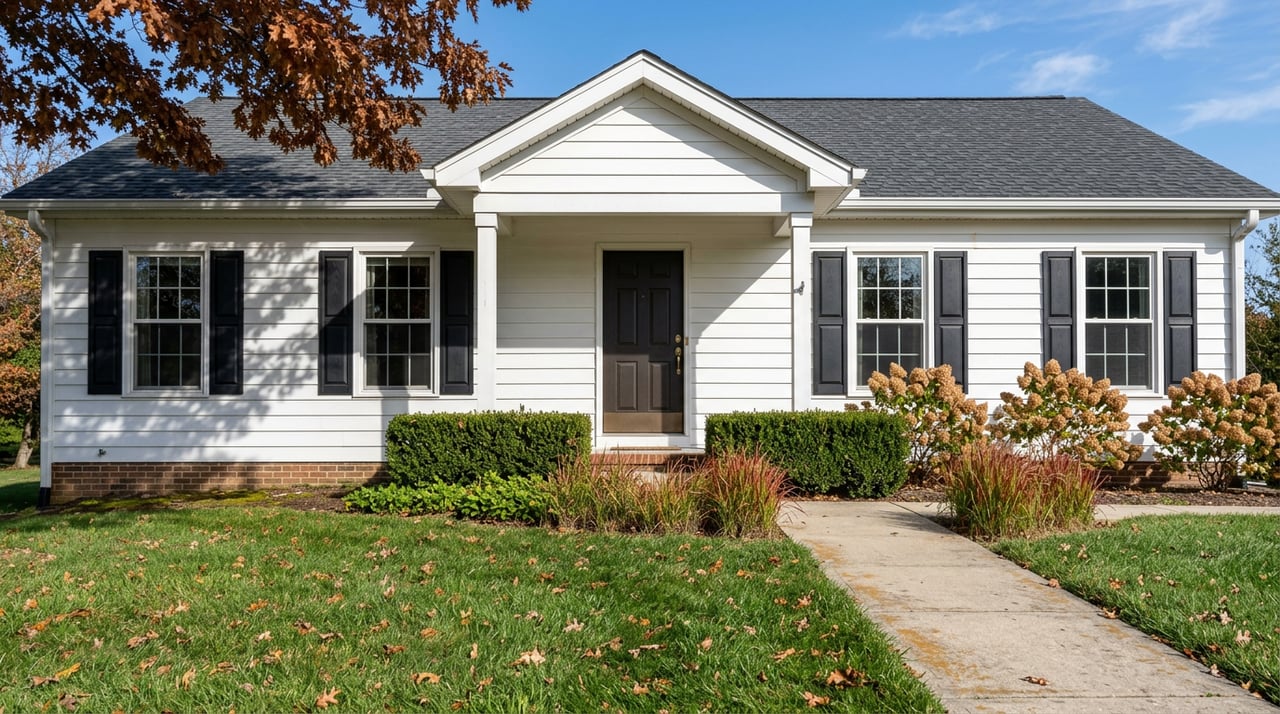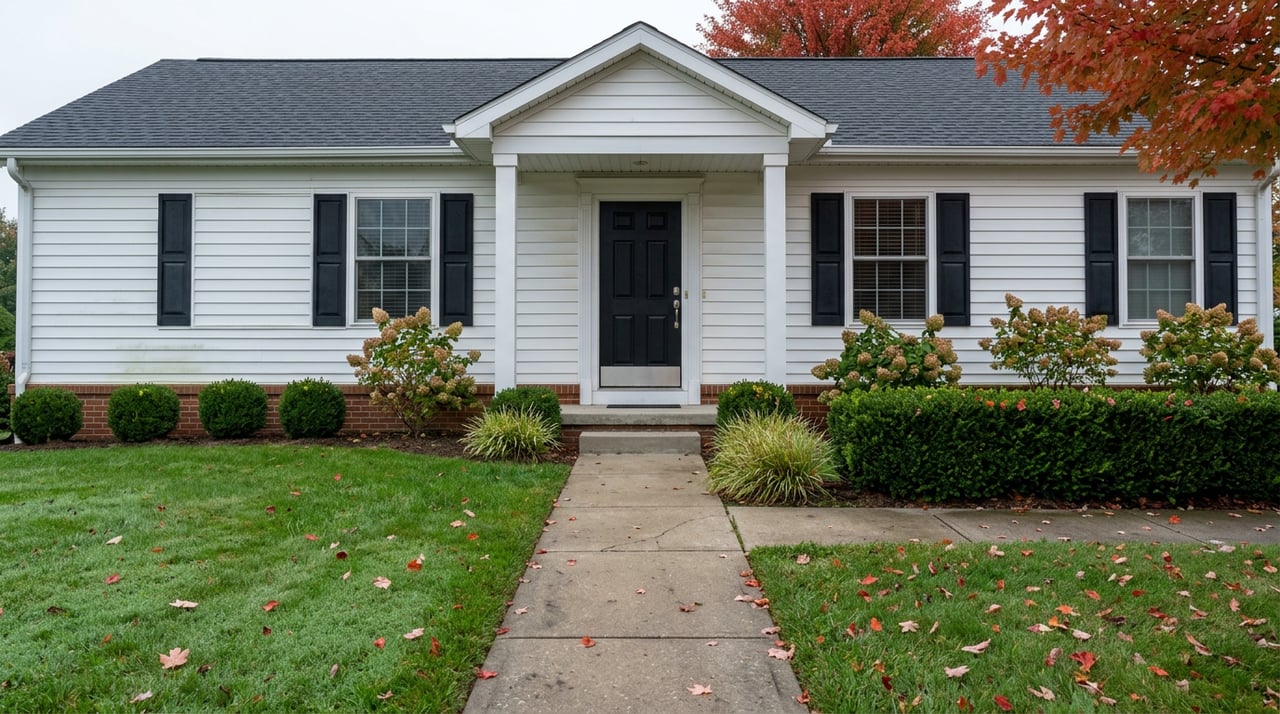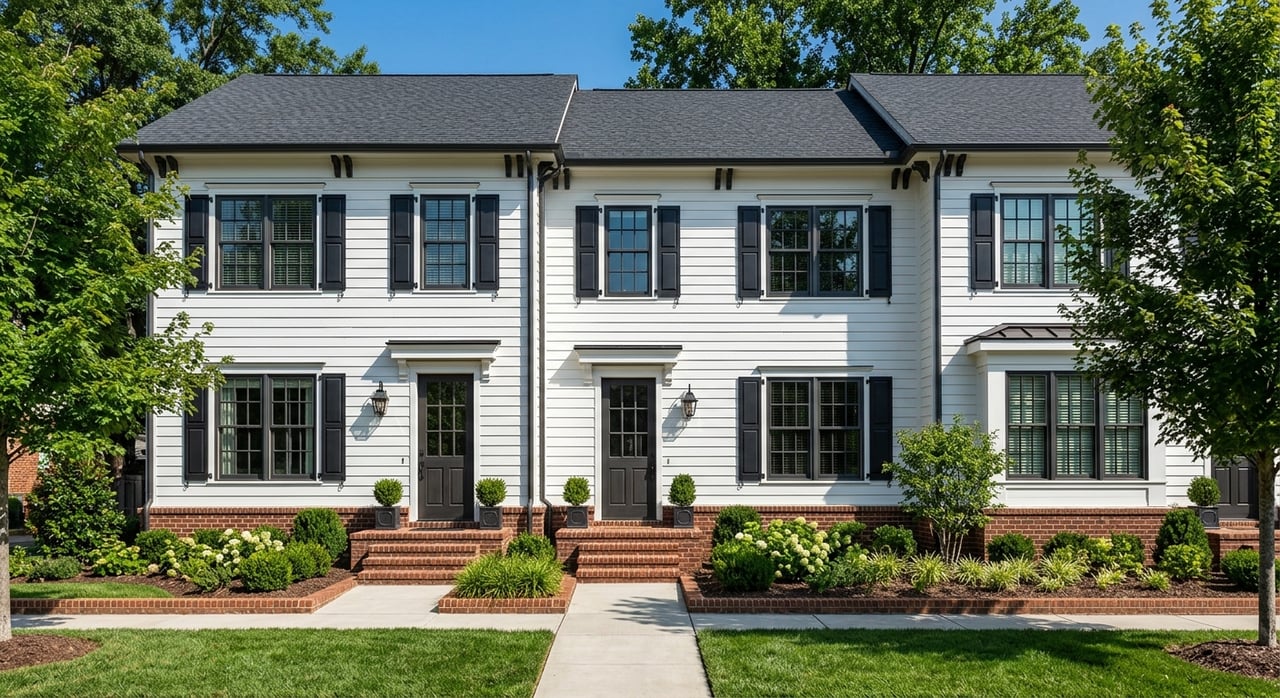
Wondering if a condo or townhome in Grosse Pointe Farms could give you the right mix of convenience, style, and location? If you want less exterior upkeep without losing access to a well-established community near Lake St. Clair, this niche housing segment can be worth a closer look. The key is understanding that inventory is limited, property types can be structured in different ways, and monthly fees may vary more than you expect. Let’s dive in.
Why condo living stands out here
Grosse Pointe Farms is a small, mostly owner-occupied city. The U.S. Census Bureau estimates 9,794 residents in 2024, and reports a 96.6% owner-occupied housing unit rate for 2020 through 2024. In practical terms, that helps explain why condo and townhome options inside the city are limited and often feel more specialized than what you may find in larger suburbs.
Current listing search snapshots reflect that tight supply. At the time of the research, Redfin showed 1 condo and 0 townhouses for sale in Grosse Pointe Farms, while Zillow’s townhome search showed 0 results within the city boundary. If you are shopping here, that means timing, preparation, and quick decision-making can matter.
The city’s adopted Master Plan, approved in December 2023, also gives helpful context. It emphasizes preserving architectural character while increasing housing diversity. For buyers, that suggests condos and townhomes may continue to play an important role in offering lower-maintenance housing choices that still fit the city’s established residential feel.
What “condo” can mean in Michigan
In Grosse Pointe Farms, a home that looks like a townhome is not always a traditional townhouse in the legal sense. Under Michigan condo law, some attached homes and even some detached homes may be structured as condominiums or site condominiums. That is why it is important to look past the marketing label and confirm exactly how the property is set up.
Michigan’s Condominium Buyer’s Handbook explains that site condominiums are single-family detached housing. So in this market, you may come across detached ranch condos, gated condo communities, or lower-density attached homes instead of large mid-rise or high-rise condo buildings. If you are comparing options, the ownership structure matters because it affects what you own, what the association maintains, and what rules apply.
This is one of the biggest reasons condo and townhome shopping in Grosse Pointe Farms can feel more nuanced than expected. Two homes may offer a similar lifestyle on the surface, but have very different documents, maintenance responsibilities, and fee structures behind the scenes.
What local condo options may look like
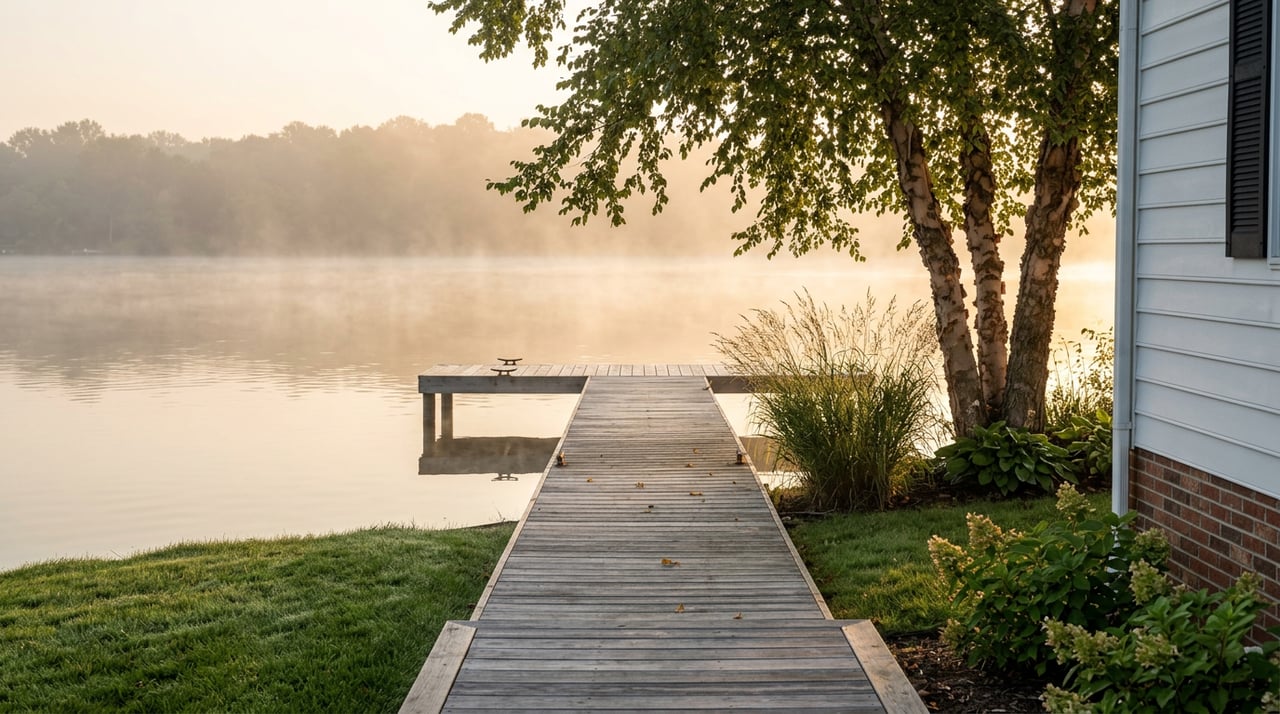
A useful local example is Windemere Place, where listings have shown a range of condo styles and fee levels. One off-market unit at 12 Windemere Pl #2 was a 2,798-square-foot condo built in 1984 with an attached garage and a $265 monthly HOA fee. Another at 17 Windemere Pl #27 was a 2,963-square-foot detached condo ranch built in 1988 with a lake view, an attached garage, and the same $265 monthly fee.
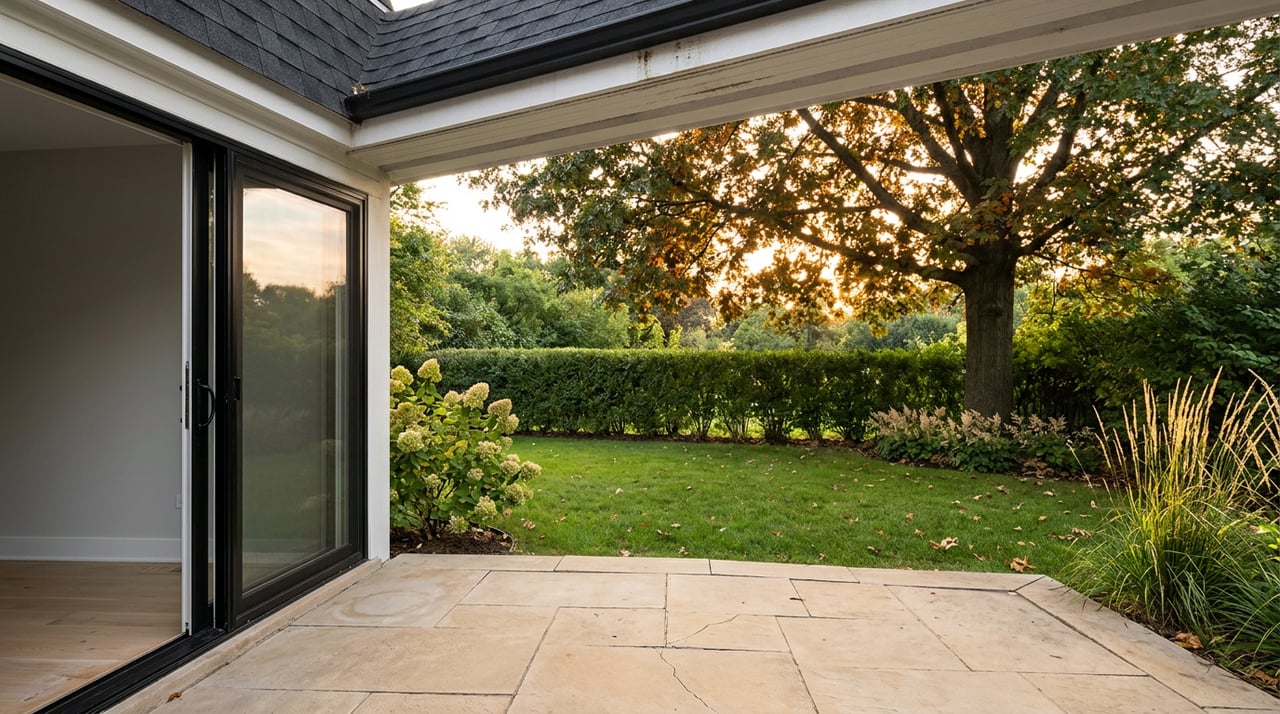
That tells you something important about the local market. In Grosse Pointe Farms, condo living does not always mean compact square footage or shared hallways. In some cases, it can mean a spacious, detached home with association-managed exterior or common-area responsibilities.
At the same time, higher-service communities can come with much different costs. A listing at 43 Windemere Pl #17 showed an $833 monthly association fee, with coverage that included maintenance grounds, street lights, park access, snow removal, trash, maintenance structure, and a community pool. The listing also described a gated setting and in-ground pool.
Lifestyle benefits in Grosse Pointe Farms
For many buyers, the appeal of condo or townhome living here goes beyond the home itself. A major draw is the chance to reduce day-to-day yard and exterior maintenance while still enjoying resident-focused amenities in the city. That can be especially attractive if you want a simpler routine without giving up access to outdoor recreation.
Pier Park is a strong example of that lifestyle advantage. According to the city’s parks department, the park includes a beach and swim area, pool, tennis, pickleball, paddle tennis, kayak launch and storage, plus resident reservation systems. The city also manages resident park passes and boat-related permits.
If your goal is to spend less time on upkeep and more time enjoying the lakefront setting, that can be a compelling tradeoff. Instead of maintaining a larger yard, you may be able to focus more on convenience, recreation, and location.
The local school setting may also matter to some buyers making a move within the area. Brownell Middle School serves grades 5 through 8 in Grosse Pointe Farms, and Grosse Pointe South High School is also located in the city as part of the Grosse Pointe Public School System. For some move-up buyers, a lower-maintenance property can offer a way to stay in the community while changing housing type.
Why HOA fees deserve close attention
Monthly HOA dues are not a side detail in this market. They are a core part of your housing budget, and the differences can be significant even within the same general area. The Windemere examples alone show how one property may carry a relatively modest monthly fee while another may have a much higher fee tied to broader services and amenities.
Michigan’s Condominium Buyer’s Handbook explains that condo owners own their unit exclusively but share common elements. The association of co-owners sets the monthly fee and may also assess owners for repairs to common elements. The handbook also states that associations must maintain a reserve fund equal to at least 10% of the annual budget on a non-cumulative basis.
That matters because monthly dues are only part of the story. You also want to know whether the reserve fund is healthy, whether larger repairs are coming, and whether special assessments are possible. Fees or assessments can become a lien on the unit, so this is an area where careful review is essential.
What common elements may include
Many buyers assume HOA dues mainly cover landscaping and snow removal. In some communities, that may be true. But under Michigan condo rules, common elements can include hallways, lobbies, building exteriors, lawns, private roads, recreation facilities, and even heating, water, and electric systems in certain projects.
That is why the same dollar amount does not always mean the same value. A higher monthly fee may reflect broader maintenance responsibilities or more amenities, while a lower fee may leave more costs and responsibilities with the owner. The right fit depends on what level of hands-off ownership you want.
If you are comparing condos or townhome-style properties in Grosse Pointe Farms, ask for a plain-English breakdown of what the fee actually covers. That can help you compare options more accurately and avoid surprises after closing.
Flooding and drainage questions matter
In Grosse Pointe Farms, drainage and sewer history should be part of your due diligence. The city’s 2023 planning report states that it has dealt with chronic basement, street, and surface flooding. It also notes the approval of a nearly $40 million Inland District Sewer Separation Project.
For a buyer, that does not mean every property has the same risk. It does mean you should ask direct questions about flood history, drainage design, prior water intrusion, and any known or possible assessments tied to infrastructure work. This is especially important when you are buying into a shared-interest community where common-area conditions may affect your ownership experience.
Smart due diligence before you buy
Because condo and townhome ownership can vary so much from one property to another, careful document review is one of the most important parts of the process. In a niche market like Grosse Pointe Farms, buyers often benefit from slowing down enough to confirm the details behind the listing description.
Here are some smart questions and review items to keep on your checklist:
- Confirm whether the property is a traditional condo, a site condo, or a townhome-style condominium.
- Review the master deed, bylaws, disclosure statement, and association budget before making an offer.
- Ask what the monthly fee covers and whether the association’s reserve fund is adequately funded.
- Ask whether any special assessments are planned, under discussion, or likely.
- Review rental rules and occupancy restrictions, since condo bylaws may address both.
- If the unit is in a shared structure, request maintenance records and building-component reports.
- Ask about roofs, mechanical systems, exterior maintenance, and the expected useful life of major components.
- Review any known drainage, flooding, or sewer-related history tied to the property or community.
Who this housing type may suit best
Condo and townhome living in Grosse Pointe Farms can be a strong fit if you want a lower-maintenance lifestyle in a city with established character and lakefront amenities. It may also appeal to buyers who want to stay in the community while changing the type of home they own. In some cases, it can offer more space and privacy than buyers expect from the word “condo.”
At the same time, this is not a one-size-fits-all decision. The attached-home market is small, and fee structures can vary widely. The best fit usually comes down to how much convenience you want, how comfortable you are with association rules, and whether the monthly cost matches the services and amenities you value.
If you are weighing condo or townhome options in Grosse Pointe Farms, the smartest approach is to look beyond the label. Pay close attention to the legal structure, the association documents, the reserve strength, and the full monthly cost of ownership. When you understand those pieces clearly, you can make a much more confident decision.
If you want expert guidance comparing condo and townhome options in Grosse Pointe Farms, connect with Five Star Luxury Realty for clear, contract-smart advice tailored to your move.
FAQs
What kinds of condos are found in Grosse Pointe Farms?
- In Grosse Pointe Farms, condo options may include attached units, detached ranch-style condos, and townhome-style properties that are legally structured as condominiums under Michigan law.
How much are HOA fees for condos in Grosse Pointe Farms?
- Local examples in the research ranged from $265 per month to $833 per month, depending on the property, services, and amenities offered by the association.
Why is condo inventory so limited in Grosse Pointe Farms?
- Grosse Pointe Farms is a small city with a very high owner-occupied housing rate, which helps explain why condo and townhome inventory tends to be limited and niche.
What should buyers review before buying a condo in Grosse Pointe Farms?
- Buyers should review the master deed, bylaws, disclosure statement, association budget, reserve funding, fee coverage, planned assessments, and any maintenance or building-condition records.
Do condo buyers in Grosse Pointe Farms need to ask about flooding?
- Yes. The city has reported chronic basement, street, and surface flooding issues, so buyers should ask about drainage history, sewer conditions, water intrusion, and any related assessments.
Are condos in Grosse Pointe Farms only for downsizing buyers?
- No. Condos and townhome-style homes may also appeal to move-up buyers or anyone who wants less exterior maintenance while staying in the community and near local amenities.