Thinking about a low‑maintenance home in Grosse Pointe Farms but not sure whether a condo or co‑op fits you best? You are not alone. Both offer lock‑and‑leave convenience, but they differ in ownership, financing, and how decisions get made. This guide breaks down the key differences, highlights local factors in Grosse Pointe Farms, and gives you a clear checklist so you can move forward with confidence. Let’s dive in.
Condo vs co‑op basics
A condominium is real property. You own your unit’s interior and a fractional share of the common areas. In Michigan, condos are created and regulated by the Michigan Condominium Act, which sets out the required documents, governance rules, and some disclosures at sale. You receive a deed at closing and your ownership is recorded.
A cooperative is a corporation that owns the building. You buy shares in that corporation and receive a proprietary lease or occupancy agreement for a specific unit. Co‑ops follow corporate law and their own bylaws and house rules. Your purchase closes with corporate paperwork and a stock certificate, not a deed to a unit.
For Michigan condos, see the state’s framework in the Michigan Condominium Act. Co‑ops rely on corporate governance documents like articles, bylaws, and the proprietary lease.
Key differences at a glance
| Topic | Condo | Co‑op |
|---|---|---|
| Ownership | Fee‑simple title to a unit plus shared interest in common elements | Shares in a corporation plus a proprietary lease for a unit |
| Transfer | Deed recorded with county | Share transfer and lease assignment through the corporation |
| Taxes | Unit is separately assessed and taxed in your name | Building pays property tax; your monthly charges include a share of taxes |
| Governance | Condo association under the Condominium Act | Corporate board under bylaws and proprietary lease |
| Board approval to buy | Often limited buyer screening | Common and can be more detailed with interviews and financial review |
| Rentals | Typically allowed with association rules | Often more restrictive on subletting and owner‑occupancy |
| Financing | Conventional, portfolio, FHA/VA options; project criteria apply | Share loans through lenders that do co‑ops; underwriting is specialized |
| Insurance | Building master policy; you carry HO‑6 | Building master policy; you carry a co‑op policy per lease requirements |
| Resale | Generally broad buyer pool and financing options | Smaller lender pool and board approvals can affect demand and timing |
Governance and day‑to‑day rules
Both condos and co‑ops elect boards, set budgets, and enforce rules. In a condo, each unit owner typically has a vote as defined by the master deed and bylaws. In a co‑op, you vote as a shareholder of the corporation.
Board approval is a major distinction. Many co‑ops require interviews, income and asset documentation, and can deny a buyer who does not meet the building’s criteria. Some condos collect buyer information, but approval rights are usually more limited.
Policies on subletting, renovations, and pets are building‑specific. Co‑ops often require longer owner‑occupancy before subletting and may have tighter controls on interior changes through the proprietary lease. Condos also require approval for certain projects, with rules set by the association.
Financing, taxes, and insurance
Financing a condo is generally straightforward. Conventional, FHA, VA, and portfolio loans are common, though many programs require the building to meet project‑level standards, such as owner‑occupancy ratios, insurance, and reserve levels. For federal programs, review FHA condo approval guidance.
Financing a co‑op is different. You are usually obtaining a share loan secured by your shares and proprietary lease. Not all lenders underwrite co‑ops, and those that do apply specific criteria. Lenders and investors like Fannie Mae publish project requirements; you can review the Fannie Mae Selling Guide section on cooperative projects for a sense of the standards lenders use.
Taxes are paid differently. Condo owners pay property taxes directly on their unit. In a co‑op, the corporation pays building taxes and you pay your share through your monthly charges. How those charges are allocated and reported varies by building. For tax questions, it is best to consult a CPA.
Insurance needs are similar but not identical. Both structures carry a master policy on the building and common areas. In a condo, you typically carry an HO‑6 policy for interior finishes, personal property, and liability. In a co‑op, you carry a policy tailored to your proprietary lease and building coverage. The Insurance Information Institute’s overview of condo and co‑op insurance explains typical coverage.
Resale and timing considerations
Condos often attract a broader pool of buyers because the ownership is fee‑simple and the financing market is wide. That can support easier resale and more predictable timelines, assuming the association is healthy.
Co‑ops can take longer due to board approval and the smaller number of lenders who make share loans. Some buyers prefer fee‑simple ownership and will not consider co‑ops, which can affect demand and pricing. None of this is absolute, and well‑run co‑ops with transparent financials sell well. The key is to plan for the process.
What matters in Grosse Pointe Farms
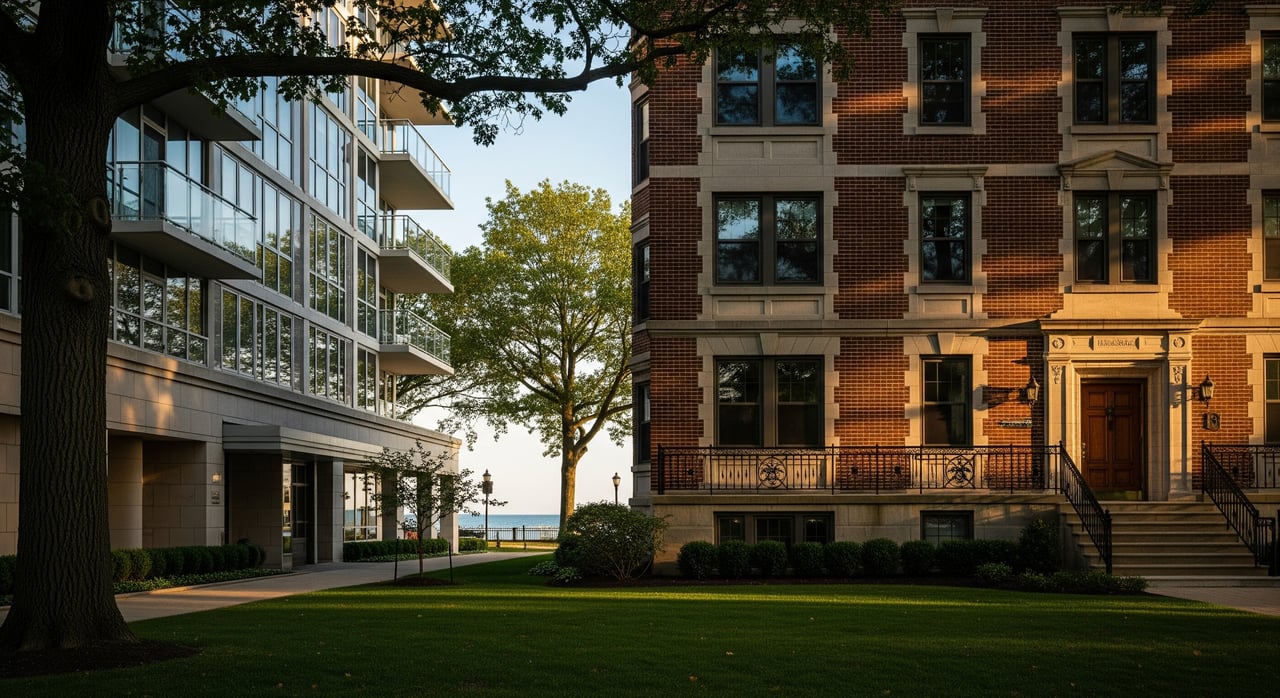
Grosse Pointe Farms has a mix of single‑family homes and multiunit buildings, including older low‑ and mid‑rise properties near Lake St. Clair. Many multiunit buildings were constructed mid‑century or earlier. Age and construction type influence reserves, maintenance, and insurance.
Older and waterfront‑adjacent buildings can face higher costs for exterior maintenance, roofs, masonry, and systems, and for coastal elements like seawalls. Ask to see recent capital improvement history and any reserve studies. A well‑funded reserve and clear project plan can make a big difference in future assessments.
Location details matter. Proximity to the lake, parks, and local shops influences demand. School district boundaries are an important consideration for many buyers. Keep the focus on your priorities and the objective data from the association’s documents.
For local rules that affect renovations and exterior work, contact the City of Grosse Pointe Farms Building Department to understand permitting and any applicable municipal guidelines.
Buyer due diligence checklist
Before you make an offer, request and review:
- For condos: master deed and bylaws, recorded plat, current rules, the most recent budget and CPA‑prepared financials, reserve study if available, master insurance certificate, recent board minutes, owner‑delinquency rate, and any pending special assessments.
- For co‑ops: articles and bylaws, proprietary lease, house rules, a sample stock certificate, corporate financials and budget, reserve study if available, recent board minutes, master insurance certificate, any offering circular, and the full buyer‑approval process with timelines and required documents.
- Ask what your monthly payment covers. Clarify which utilities, property taxes, building insurance, and services are included, and whether there are planned capital projects.
- Confirm building eligibility if you need a specific loan type. For FHA or VA, review project criteria early to avoid surprises.
Seller prep checklist
- Condos: line up required resale disclosures, a current budget, master insurance details, and any special‑assessment history. Resolve open association issues early.
- Co‑ops: prepare the board package promptly and verify the buyer‑approval steps, expected timeline, and any buyer minimums. Organized corporate records help keep your closing on track.
- For both: collect renovation permits and warranties, recent association communications, and any reserve‑study excerpts you can share.
Contract, financing, and timeline tips
- Build in the right contingencies. In co‑ops, include a board‑approval contingency and allow time for review and interviews. In condos, align your financing contingency with any project‑approval requirements.
- Choose the right lender early. If you are buying a co‑op, work with a lender that regularly underwrites co‑op share loans in Wayne County. Ask about documentation and timing upfront.
- Expect review windows. Board and lender reviews can take several days to a few weeks depending on the building and how complete your file is.
When a condo or co‑op may fit you
- A condo may fit if you want fee‑simple real property, the broadest range of loan options, and more flexibility for future rentals subject to association rules.
- A co‑op may fit if you value a tighter community, do not mind a more detailed approval process, and like the predictability of building‑level budgeting for taxes and maintenance.
There is no one‑size‑fits‑all answer. Focus on ownership structure, rules that match your lifestyle, and the building’s financial health.
Local records and helpful resources
- Review the statutory framework in the Michigan Condominium Act to understand how condo projects are set up.
- For FHA‑related condo questions, see FHA condo approval guidance.
- For project standards used by many lenders, consult the Fannie Mae Selling Guide section on cooperative projects.
- For insurance basics, the Insurance Information Institute overview of condo and co‑op insurance explains typical coverages.
- For deeds, recording, and ownership records, visit the Wayne County Register of Deeds.
- For tax payments and assessments, check the Wayne County Treasurer.
- For permits and local building rules, contact the City of Grosse Pointe Farms Building Department.
Ready to compare specific buildings in Grosse Pointe Farms and map out your next steps? Connect with the advisor‑led team at Five Star Luxury Realty for clear guidance, vetted lender options, and a smart plan from offer to close.
FAQs
What is the main legal difference between a condo and a co‑op in Michigan?
- A condo conveys real property to you by deed, while a co‑op sells you shares in a corporation plus a proprietary lease for the unit.
How do monthly fees differ for condos vs co‑ops in Grosse Pointe Farms?
- Condo HOA fees cover common areas and services, while co‑op maintenance fees often include your share of building property taxes and operating costs.
Are co‑ops harder to finance than condos in Wayne County?
- Co‑ops use specialized share loans and fewer lenders offer them, so financing can be more limited than for condos, which have broader loan options.
Do co‑ops in Grosse Pointe Farms always require board approval to buy?
- Most co‑ops require buyer interviews and financial screening, while condos usually have lighter buyer‑qualification procedures.
What documents should I review before making an offer on a condo or co‑op?
- Request governing documents, budgets, financials, reserve studies, insurance certificates, board minutes, and details on any special assessments and restrictions.